

As Web3 grew, governments started paying closer attention, and the regulatory environment remains a complex patchwork—now shifting significantly with new leadership.
-
Cryptocurrency Regulation: A key question is how to classify cryptocurrencies. Are they currencies, commodities, or securities? In the U.S., that distinction determines which agency has authority: the SEC (Securities and Exchange Commission) regulates securities, while the CFTC (Commodity Futures Trading Commission) oversees commodities. Under the old guard—especially during Gary Gensler’s tenure at the SEC—many tokens launched through ICOs were deemed unregistered securities using the Howey Test (investments made with expectation of profits from others’ efforts). This stance led to enforcement actions against projects like Block.one (EOS) and Ripple (XRP). But that era is now over.
In 2025, Paul Atkins, a pro-crypto voice, was confirmed as SEC Chair. Atkins swiftly rolled back 14 Gensler-era proposals and signaled a shift toward clarity and flexibility. He publicly supported the right to self-custody and the need for more predictable frameworks, rather than regulation-by-enforcement. With XRP’s lawsuit now settled—finding that XRP sales on exchanges didn’t violate securities law—this change in leadership represents a clean break. The SEC under Atkins is taking a much more innovation-friendly stance, giving the industry space to grow with clearer, fairer rules.
-
Global Approaches and Token Uncertainty: Meanwhile, regulation still varies by country. Japan has tight licensing rules and whitelist requirements. Switzerland and Singapore position themselves as Web3 hubs with transparent legal frameworks. China had banned crypto trading in 2021, but signs in 2025 suggest that strict enforcement may be softening, especially as Hong Kong experiments with more permissive approaches. That said, classification uncertainty lingers globally. Many DeFi governance tokens and certain platform tokens could still be considered securities depending on jurisdiction and use, creating legal risk for founders and protocols if unregistered.
-
AML/KYC and Financial Crime: Anti-money-laundering (AML) regulations now extend deep into the crypto world. FATF’s “Travel Rule” requires exchanges to share sender/receiver info for large transfers, and most centralized exchanges must now perform KYC (Know Your Customer) checks. While protocol-level anonymity remains possible, any interaction with fiat rails (off-ramps) usually requires identity verification. Mixers like Tornado Cash were sanctioned in the U.S. for being used by North Korean hackers to launder stolen funds—raising major debates around privacy, code as speech, and where regulators draw the line.
-
Consumer Protection: The need for better consumer protections became clear after collapses like Celsius and Voyager in 2022, which wiped out user savings. Some centralized exchanges now offer partial safeguards. For example, Coinbase provides FDIC insurance on USD balances held in its custodial accounts (not crypto itself). Kraken, Gemini, and Binance.US do not fall under FDIC insurance for crypto. Increasingly, a growing number of platforms are issuing proof-of-reserves audits to demonstrate they’re not overleveraged. Still, these guarantees aren’t consistent across the industry, and users are largely unprotected compared to traditional finance.
The EU has taken a lead with MiCA (Markets in Crypto-Assets Regulation), which imposes reserve requirements, transparency standards, and registration for stablecoin issuers and crypto companies. It doesn’t yet heavily regulate DeFi or NFTs but lays the groundwork for future oversight.
Regulating the Unregulatable?
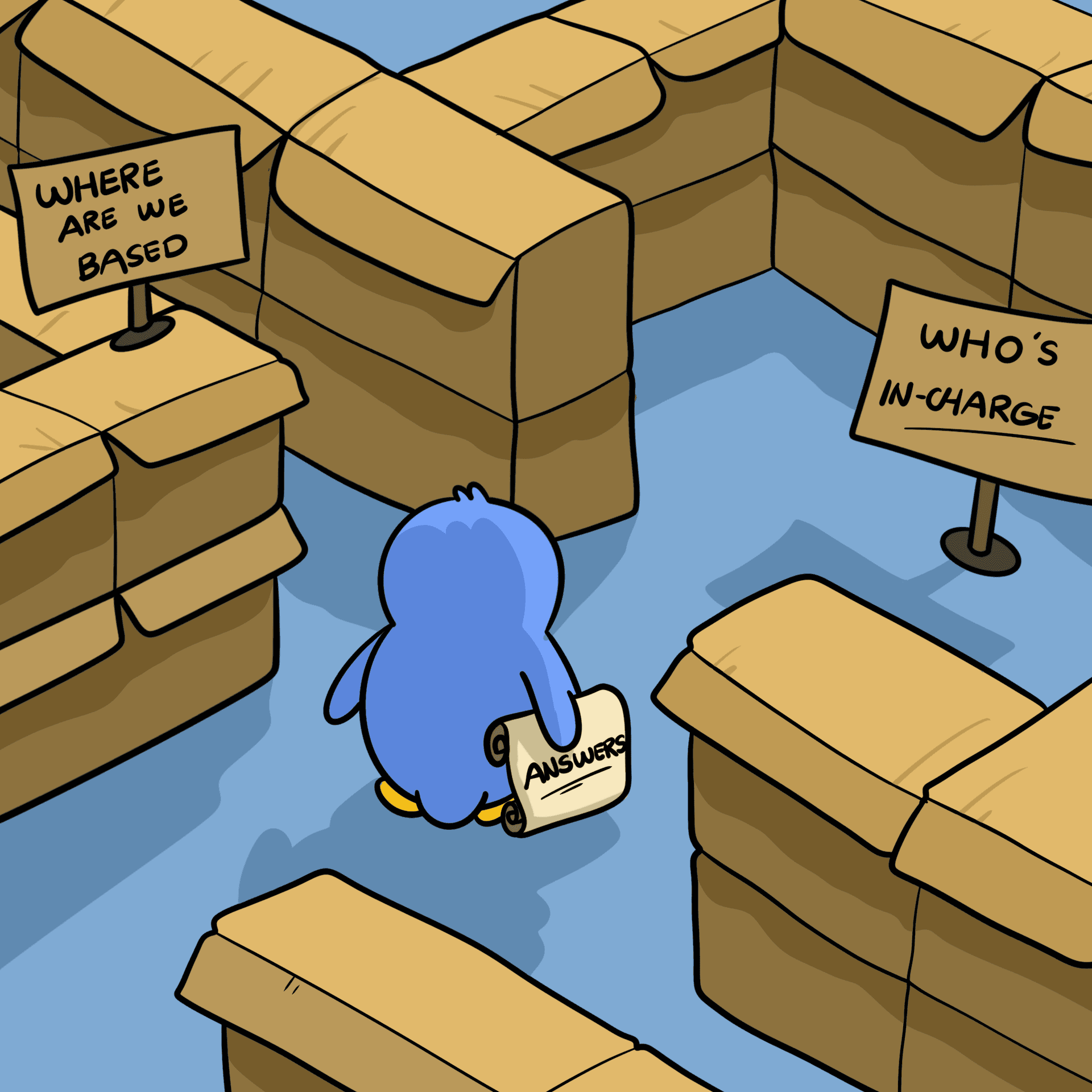
One ongoing challenge: who regulates DeFi? If there’s no company or central party, who is accountable? Some regulators argue that if developers or interfaces exert control (e.g. via admin keys), they may bear responsibility. Others are pushing for clearer definitions and smart compliance tools (e.g. KYC modules for frontends, whitelisted addresses, etc). Under Atkins, there’s more willingness to engage with the nuances rather than treat all innovation as noncompliance.
A Turning Point:
We’re in a new phase. The "Gensler crackdown" period is over, replaced by a more collaborative attitude. But make no mistake—regulators are still watching. Stablecoins, consumer protection, and illicit finance remain high-priority areas. Still, with clearer classification frameworks, insurance-like protections beginning to emerge, and leaders open to reform, Web3 may be entering a more mature and sustainable regulatory environment.
🧠 Insight As a developer, you may need to factor in compliance features early: whitelisting, KYC, legal wrappers for DAOs, or terms for NFT marketplaces.
-
Taxes: Governments definitely want their share of gains. Crypto taxation can be complex (each trade can be taxable, using crypto to buy something triggers a capital gain event in some regimes). Some countries have made crypto tax-friendly (like not taxing small transactions or long-term holding). Others treat every single crypto-to-crypto trade as taxable, which is a nightmare for active users to calculate. As a student, note that any earnings in crypto (from say play-to-earn or content sales) usually still are subject to income tax like any other – just because it’s crypto doesn’t mean no tax (one should keep records and comply to avoid issues).
-
Legal Status of DAOs and Web3 Communities: As mentioned, DAOs in the US can now register as LLC in Wyoming, giving them legal personhood to sign contracts, etc. A lot of DAOs however choose not to, which might expose members to partnership liability or complicate contracting with traditional companies. This is an evolving area – more states/countries might create legal wrappers for DAOs to make them gel with existing law without losing decentralization. Also, governance tokens rights – do they confer equity-like rights? If yes, perhaps securities law should apply. Some new projects avoid the US entirely or restrict US investors due to regulatory fear.
-
Censorship and Decentralization Trade-offs: A big ethical question: how to handle content or transactions that society deems illicit or problematic. On a truly decentralized network, no one can censor a transaction (like sending crypto to donate to a banned cause, or store illegal files on a blockchain, as someone famously stored a small illegal image in Bitcoin’s data – can’t remove that without forking). There’s a tension between free expression and preventing abuse. As Web3 expands to social media, these questions magnify (what if someone mints highly offensive or harmful content as an NFT? It's permanent in record – one can hide it on front-ends but it's there).
-
Regulators may step in if they feel certain dApps facilitate crime (like sanctioning Tornado). But sanctioning code is controversial – some developers fear that writing certain open source could make them liable if criminals use it, which could chill innovation.
-
On the other hand, decentralization can help activism and resist unjust censorship (e.g., funding dissidents or bypassing authoritarian controls). The ethics depend on perspective – one person’s freedom tool can be another’s criminal haven.

-
-
Environmental Concerns: Proof-of-work (PoW) mining used a lot of electricity (Bitcoin annually comparable to a country like Poland in consumption). This raised criticisms that crypto growth conflicts with climate goals. Ethereum’s move to proof-of-stake cut its energy by ~99.95%, addressing that portion. But Bitcoin is still PoW, as are some others. Some miners use renewable energy or flare gas that would be wasted – arguments that Bitcoin incentivizes renewables in some cases. But places like China partly banned crypto mining citing energy strain. Some environmental activists call for a proof-of-work phase-out or making miners pay carbon tax. It’s a contentious debate: pro-crypto folks say innovation will drive greener mining and that traditional banking and gold industries also have large footprints (so context matters). Nevertheless, new projects largely avoid PoW now. It's likely an ongoing challenge for Bitcoin especially – whether it can maintain social license to operate as climate regulations tighten, and whether miners can become mostly renewable-powered to alleviate concerns.
-
Inclusion vs Illicit Use: Web3 can empower the marginalized (unbanked, people under oppressive regimes) but also criminals. Policy has to try stifle the bad while encouraging the good – not an easy balance. Some fear over-regulation could just push bad actors deeper into hiding while stifling legitimate innovation that could benefit many.
How it affects a student / developer:
Regulation will shape job opportunities and what projects you might join. Companies might geofence certain users or be cautious launching certain features until clarity. As a builder, you might need to think about compliance from day one (like if creating a new token, consult lawyers on whether it falls under securities law – often projects now do KYC or limit US to avoid trouble).
That said, understanding the basics of these laws and doing things ethically (not taking shortcuts that exploit legal grey zones at users' expense) will be part of being a responsible Web3 participant.
For instance, if you want to launch a DeFi app, maybe think about adding optional KYC for those who want (some platforms have “permissioned pools” so institutions can use them with whitelisted addresses – bridging traditional finance comfort with DeFi's tech). Or if working on NFT marketplace, consider IP rights – verifying that artists uploading actually own the art to reduce plagiarism issues.
Ethical design is crucial: just because blockchain allows something (like total anonymity or immutability) doesn’t mean it’s always ethical in all contexts. There are calls within Web3 for building in "circuit breakers" for extreme scenarios (like a DAO could have an emergency pause multi-sig if a hack is detected – but that’s against pure decentralization; or content platforms have community moderation rather than none). The ethos is empowering individuals but also recognizing responsibilities – if code is law, code needs to incorporate some values because you can't rely on external authorities later. There’s a lot of discourse on self-regulation: the industry proactively adopting best practices (like audits, insurance funds to compensate hacks, supporting good regulation that clarifies rather than bans, etc.).
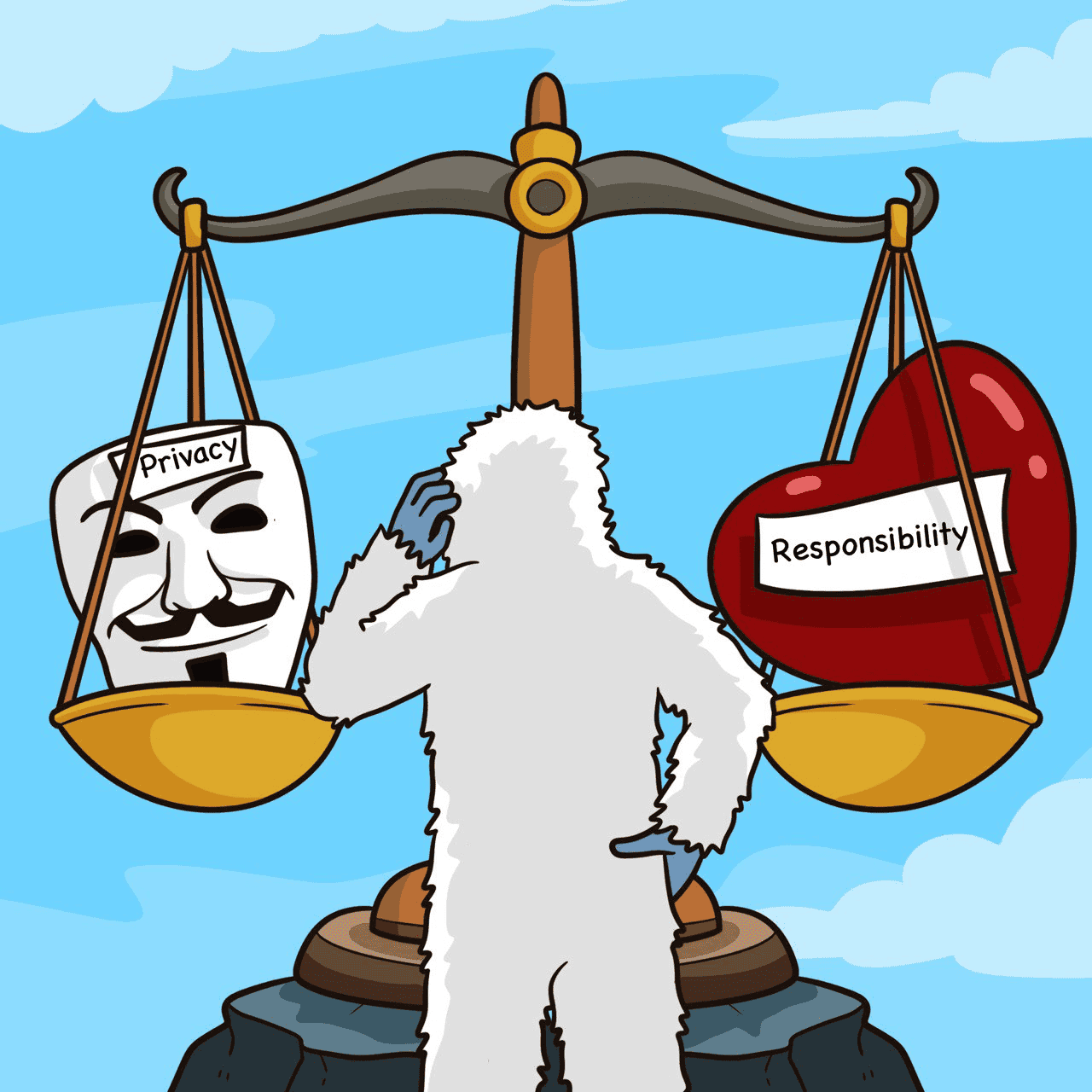
In conclusion, while Web3 opens new frontiers, it comes with real risks. Being knowledgeable and cautious is key to staying safe. And as this technology becomes mainstream, finding ways to integrate with legal frameworks while preserving core benefits of decentralization is one of the major challenges of the coming decade. It's a delicate dance of innovation and regulation – too much crackdown, and we lose the innovation; too little oversight, and people get hurt or broader adoption stalls due to mistrust. The outcome will depend on ongoing dialogue between builders, users, and policymakers.
For you as a learner, the takeaway is: embrace Web3's possibilities, but always respect the power you're dealing with and protect yourself and others by using and promoting safe practices. That will help build a Web3 world that is both revolutionary and responsible.