

One of the most headline-grabbing aspects of Web3 beyond finance has been digital art and collectibles via NFTs (Non-Fungible Tokens). We discussed NFTs technically in Chapter 2, but here let’s focus on the cultural and economic shift they are causing in art, gaming, and how we think of digital property.
Digital Art and Artists:
Before NFTs, digital artists often struggled to monetize their work directly. They might rely on commissions, prints, or working for clients, because selling a digital file was tricky (it can be copied infinitely, so buyers were paying for a copy but not uniqueness or provenance). NFTs changed that by allowing a digital artwork to be “tokenized” such that it has a singular or limited edition verifiable on blockchain. This introduced scarcity and collectability to digital art.
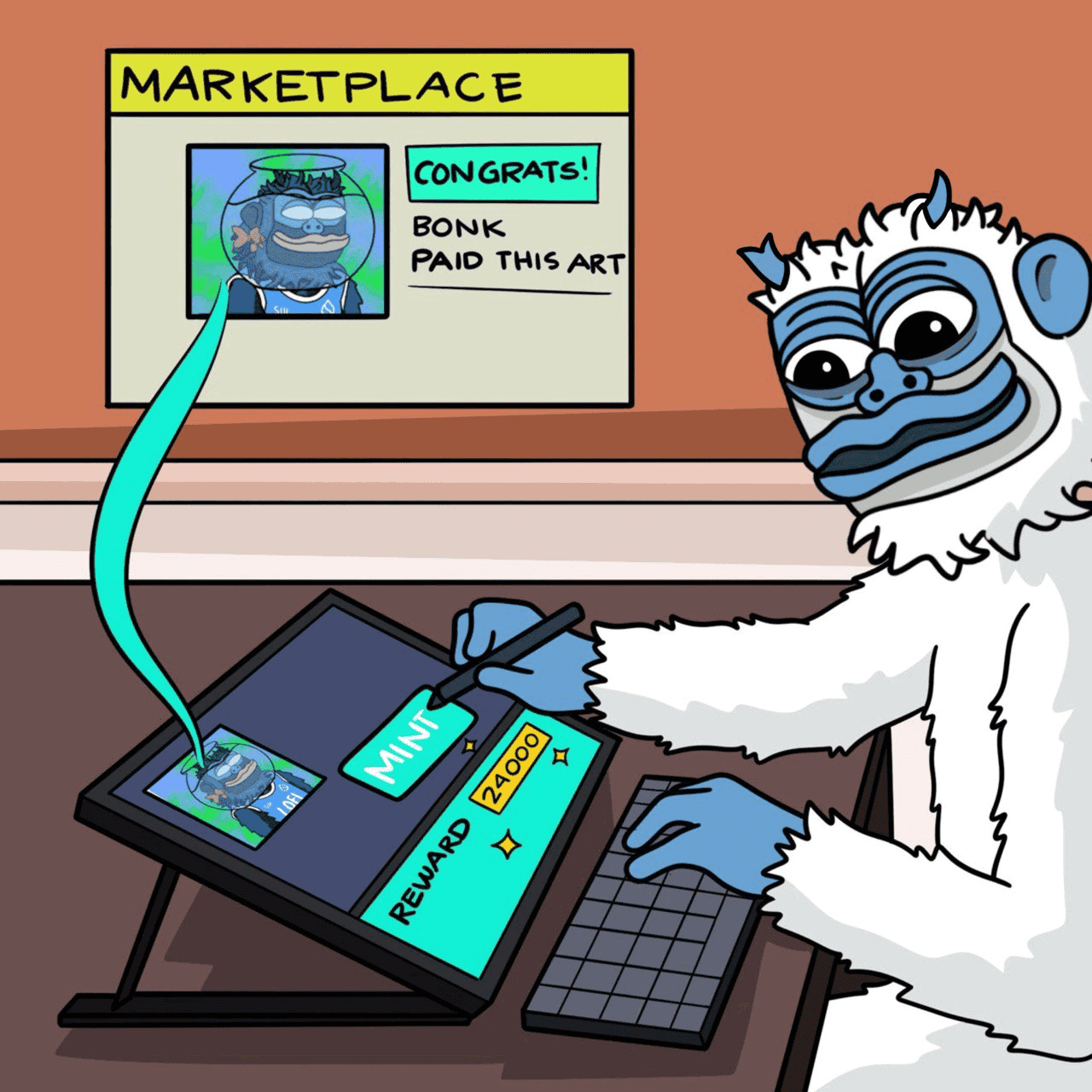
📌 Sidebar: Royalties on Resale = Artist Empowerment NFTs allow artists to receive automatic royalties when their work is resold. That means even if a piece becomes wildly valuable years later, the creator still benefits—something unheard of in traditional art markets.
In 2021, NFTs boomed: The famous sale was Beeple’s “Everydays” collage NFT selling for $69 million at Christie’s. That stunned the world and put NFTs on the mainstream map. Suddenly, artists realized they could reach a global audience of collectors without going through galleries, and could also program royalties (Beeple gets a cut if the NFT resells in future, as do many artist’s NFTs via smart contract standards). This secondary sale royalty is a big innovation for creators – traditionally an artist sells a painting once, if it becomes super valuable later, they see none of that upside; NFTs can ensure the artist always gets, say, 10% each resale. That’s empowering for sustaining artists.
NFT marketplaces like OpenSea, Rarible, and others popped up to facilitate these sales, sort of like eBay for NFTs. There are also curated platforms like SuperRare or Foundation focusing on fine art. Suddenly a whole creator economy sprung: some artists made more money in months of NFT drops than in years on Instagram or Patreon (though it was a gold rush period, not everyone struck rich, and the market has since cooled a bit).
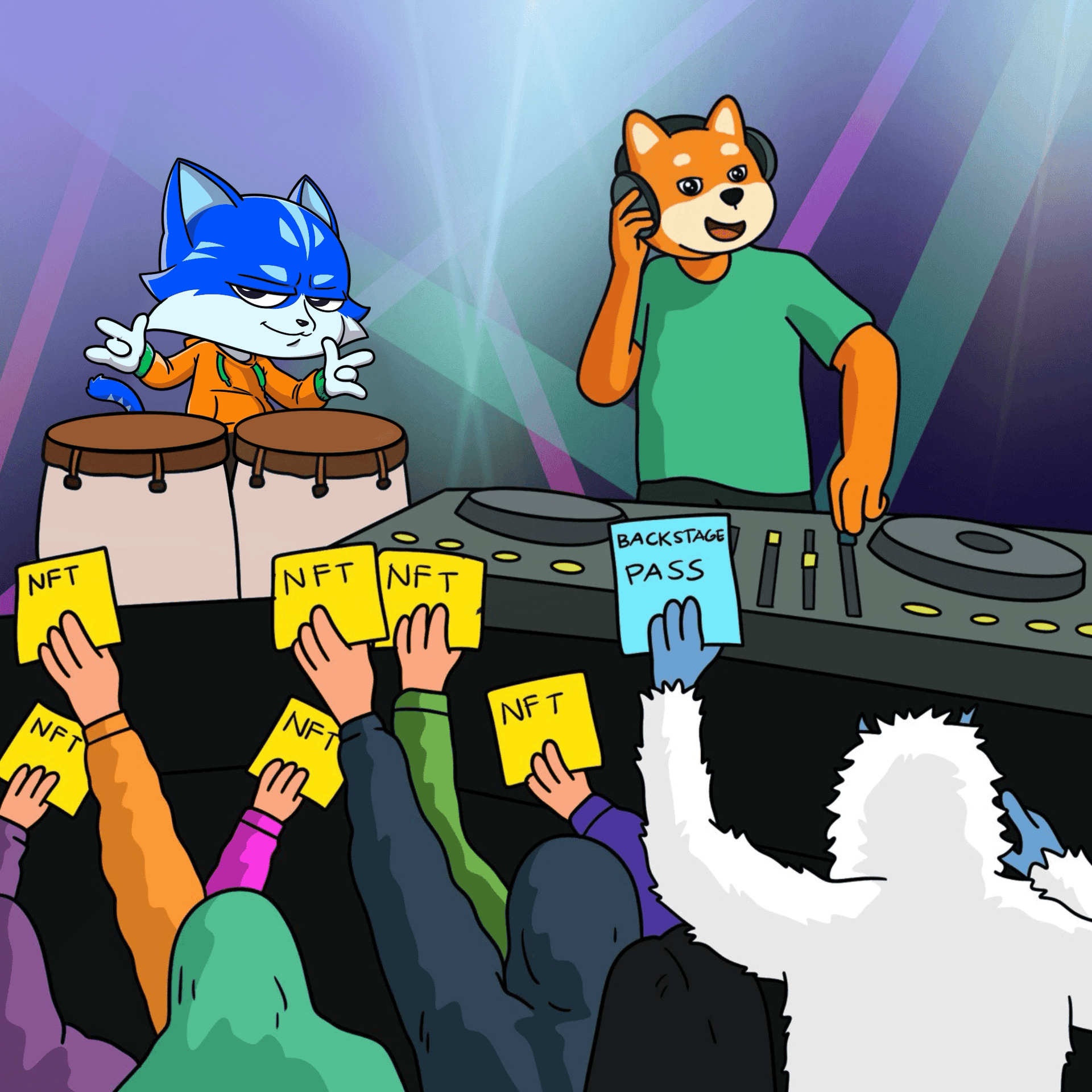
It wasn’t just static images: NFTs can represent video clips, generative art (code-based art that outputs unique pieces), music (some musicians released albums or singles as NFTs, offering fans ownership and even revenue share in some cases), and more. The key is a direct relationship: an artist issues an NFT, fans can directly support by buying it, and they have a unique connection by holding that NFT (which might also unlock perks or community membership with the artist). Example: Kings of Leon released an album as an NFT which included perks like vinyl and front-row concert seats for NFT holders.
📋 Table: NFT Categories and What They Unlock
| NFT Type | What It Represents | User Perk / Utility |
|---|---|---|
| Art NFT | A digital image/artwork | Collectible, resale, royalty share |
| Music NFT | Song or album | Fan ownership, unlocks exclusive access |
| PFP NFT | Profile avatar | Status symbol, community membership |
| Event NFT (POAP) | Proof of attendance | Reputation badge, access to future events |
| Game NFT | In-game item or character | Use in gameplay, trade or rent |
Collectibles and PFPs:
NFTs also took off as collectibles—think trading cards or like collecting rare items. The concept of PFPs (Profile Picture projects) became a phenomenon: collections like CryptoPunks (8-bit style punk characters, one of the first big NFT projects from 2017) and Bored Ape Yacht Club (BAYC) (cartoon apes launched 2021) became symbols of crypto culture. People bought them to use as their online avatars, as status symbols (some sold for millions or celebrities bought in, making them trendy), and as membership tokens (BAYC owners get access to an exclusive community and events, so it’s like a club membership too). These projects often have 10,000 unique avatars generated with random traits (some rarer than others). They essentially built brands—Bored Apes are now recognizable like Marvel characters in some circles, and the company behind it (Yuga Labs) is expanding it into games and media. What’s novel is that holders of these NFTs often have commercial rights to their individual ape—meaning they can create merch or spinoff content using their ape’s image (some owners have made comics or coffee brands featuring their ape). This flips IP on its head: the community collectively owns the brand’s characters in a way, rather than the company strictly.
📊 Analogy: PFP NFTs Are Like Custom Jerseys or Fan Badges Just like a rare signed jersey shows you’re a loyal fan, owning a limited-edition PFP shows identity in a digital tribe. And unlike jerseys, PFPs can increase in value, unlock access, or even be used commercially by the owner.
Other collectible trends: sports NFTs like NBA Top Shot (video highlights as NFTs) introduced mainstream sports fans to the concept of collecting moments, much like baseball cards but digital and officially licensed. At its peak Top Shot had hundreds of thousands trading. Though hype died down a bit, sports leagues, trading card companies, etc., remain interested—NFL, MLB, Formula1 all dabbled in NFTs.
Gaming and Metaverse Items:
In gaming, NFTs promise that in-game items or characters can be truly owned by players and even taken across games or sold for real value. Games like Axie Infinity made headlines as people in Southeast Asia earned income playing it by collecting token rewards and breeding/selling Axie creature NFTs. At one point, some folks made more from Axie than local minimum wage—birthing the “play-to-earn” idea. Axie’s economy had issues (later crashed as it was unsustainable), but it showed the potential of games as economies where players have real stake. Many new games (often called GameFi) are in development where NFTs might represent land, skins, weapons, etc. A big challenge is making the games fun and not just about crypto—early ones were simple and mainly for profit. But if a major game studio integrates NFTs (some announced plans, though there’s gamer backlash fearing greed or scams, so it’s sensitive), it could change how players perceive digital goods value. For instance, imagine if in Fortnite you truly owned your skins and could sell or use them in other games – players might love that property rights, though publishers worry about revenue streams.
The concept of a Metaverse—an immersive online world—is tied to NFTs by proponents: if the metaverse is to be an open ecosystem (not a closed Facebook/Meta-owned one), then assets like avatars, clothes, virtual land should be portable and owned by users as NFTs. Projects like Decentraland and The Sandbox sell virtual land as NFTs which users can develop (build games, virtual shops, whatever). Brands jumped in too (e.g., Atari bought Sandbox land, some celebs did, etc.). Whether these specific metaverses succeed is TBD, but the idea is if you spend money or time on digital creations, you should have ownership – NFTs provide that mechanism.
Web3 for creators generally:
Beyond fine art and collectibles, any content creator—writers, musicians, filmmakers—are exploring Web3. We talked about Mirror for writers (some authors sold NFT copies of novels or crowdfunded by selling tokens that entitle holders to a share of the book’s success). Musicians tried releases where NFT owners share in streaming royalties or get special access. For example, artist 3LAU sold an album via NFT and did $11m in sales—something unimaginable via normal channels for an indie artist. Royal.io is a platform letting fans buy “song tokens” that give a cut of royalties.
A cool development is NFT fractionalization: if an asset is too expensive (like a $600k CryptoPunk), smart contracts can split it into fungible shards so many people can co-own it like shares. This brings accessibility (though also looks like an investment security then, raising regulatory questions).
Also renting or lending NFTs: If someone owns a valuable in-game item NFT, they could lend it to a player for a fee—creating new digital economies (some guilds did that with Axie: they own expensive Axies and “scholars” borrow them to play, splitting profits). Protocols for NFT collateralized loans also emerged (you put your Bored Ape as collateral, borrow ETH; if you don’t repay, lender keeps the ape—people actually do this).
Impact on culture:
NFTs, like them or not, have propelled digital art and Web3 into mainstream conversation. They bring creative and tech communities together. We see more artists learning about blockchain and more tech folks appreciating digital art.
They also raise environmental and ethical debates: early criticisms were about high energy usage of Ethereum’s proof-of-work (since improved by Ethereum’s merge reducing energy 99%, that argument largely addressed). Scams and plagiarism happened (people minting others’ artworks as NFTs without permission)—marketplaces are improving verification tools. There’s debate on consumerism vs genuine artistic value (some accuse NFTs of being mostly speculative assets rather than appreciation of art). But then again, many niche digital artists found an appreciative patron community via NFTs that they lacked before.
NFT communities are a phenomenon—owning an NFT from a collection often comes with being in a social group (like BAYC holders hanging out, sharing memes, sometimes meeting in real life at events). It’s a new kind of fandom, where fans actually own pieces of the thing they’re fans of. Some even coordinate to develop the IP of their NFTs (e.g., a group of CryptoPunk owners might make a comic book with their characters, collectively raising the brand value of Punks).
Going forward:
We’ll likely see NFTs integrate with everyday platforms: e.g., Twitter already lets verified NFT owners use a hexagonal profile pic. Reddit launched collectible avatars on Polygon (and interestingly called them “collectibles” not NFTs, to reduce friction – they were a hit, with millions minted). Starbucks announced a loyalty program using NFT stamps. These big brands entering might onboard masses to using wallets without realizing they’re using Web3. The term NFT might even fade as it becomes just “digital collectible” or simply how digital items are.
In education or records: NFTs for diplomas or certificates could ensure authenticity (some universities piloted issuing blockchain diplomas). For identity, as we said, NFTs can serve as badges of achievements (like completing a course etc., which can’t be transferred – a “soulbound” NFT concept).
In summary, digital art and NFTs demonstrate Web3 beyond finance by tackling creation, ownership, and monetization of all forms of media. The core benefit is shifting more value to creators and giving users true ownership of digital items—aligning with the Web3 ethos of enabling individuals to own what they produce and purchase online. It also blurs lines: consumers can be investors (buy an NFT because they both like it and think it’ll appreciate), and products can be communities (owning an NFT can be membership). It’s a dynamic space with lots of innovation in how we define property and participation in the digital world.
🧠 Thought Prompt:
What digital item (emoji, skin, meme, artwork) do you think should have been “ownable”? What if you were its first owner?