

Today’s social networks (Facebook, X, Instagram, YouTube, etc.) are largely centralized: companies control the algorithms, monetization, and data. Users create the content, but the platform owns the infrastructure and often the relationship with the audience. If a platform bans you or shuts down, you lose your content and following. Platforms monetize via ads or data, sharing only a small portion (if any) with content creators.
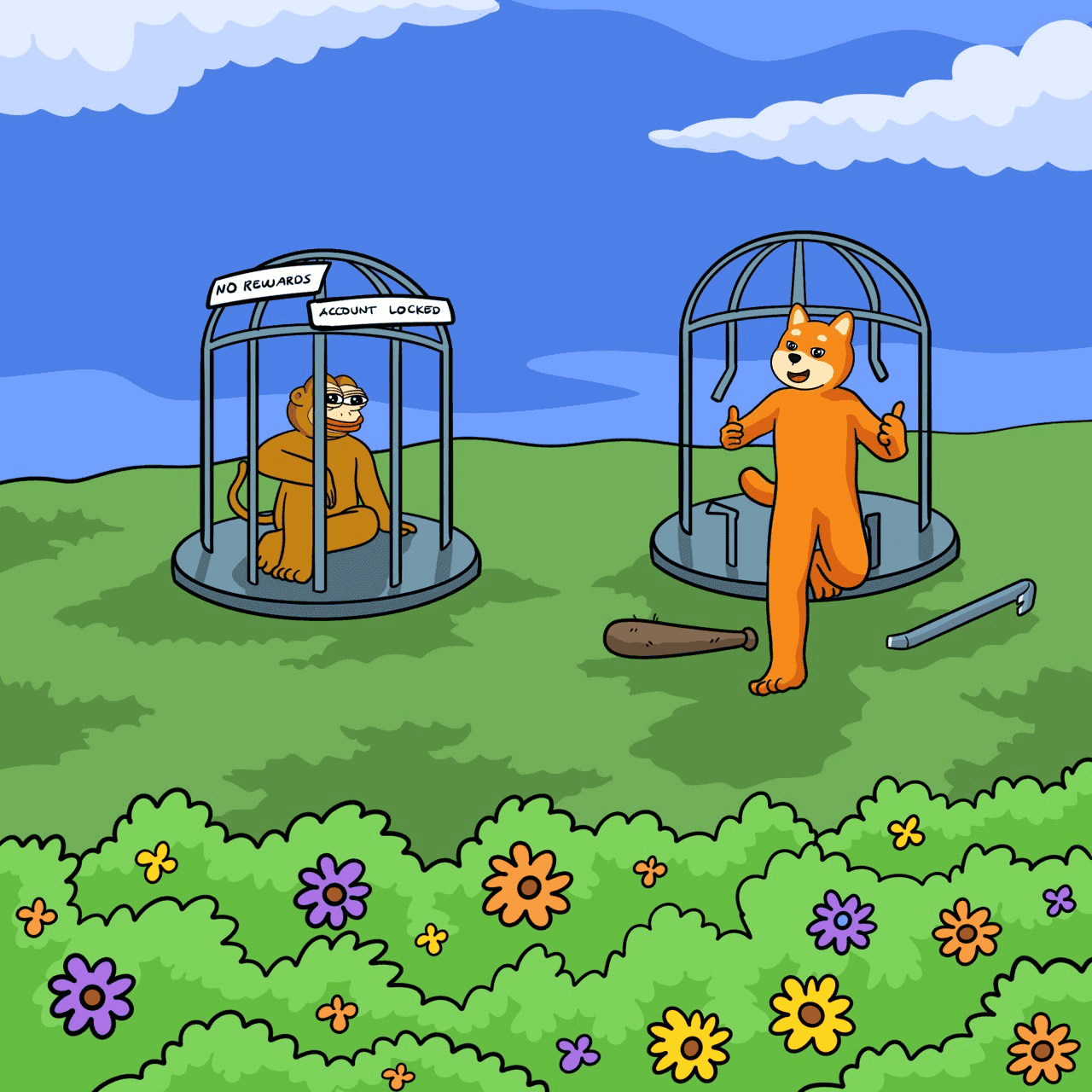
Web3 social aims to flip some of this dynamic. The idea is to build social networks where you truly own your profile, your content, and maybe even a piece of the network itself. Instead of your social graph (the list of who you follow and who follows you) being locked in a company database, it could be stored on a blockchain or decentralized protocol that you control. If you don’t like the interface or policies of one app, you could move to another app that uses the same underlying network, and bring your content and followers with you. This interoperability is key: imagine if your X (formerly Twitter) followers and posts could instantly port to a new decentralized X-like service, without needing to start from scratch.
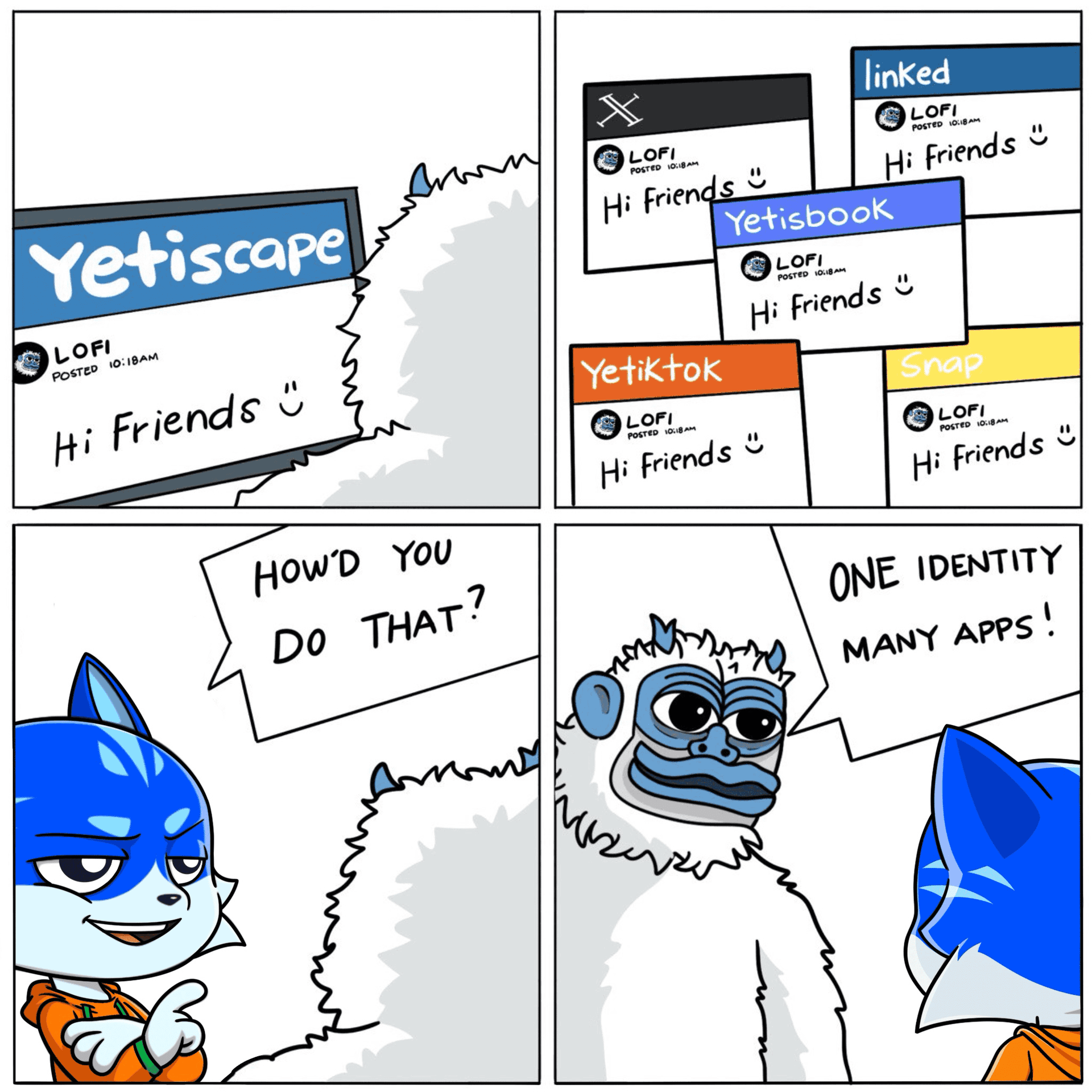
📌 Sidebar: Why Does Platform Ownership Matter? In Web2, you are the product. Your content builds value for platforms—but you don’t share in that value. If YouTube bans you, your audience is gone. If Instagram’s algorithm changes, your reach vanishes. Web3 flips this: your content and followers exist independently of any single company, giving you true digital sovereignty.
One prominent example is Farcaster, a decentralized social protocol that prioritizes user sovereignty and portability. Farcaster lets you create a social identity that lives independently of any single app. When you sign up, your username and social graph are recorded onchain or in decentralized storage—meaning you own your profile, not the app. If a new front-end emerges or if you disagree with the policies of the app you're using, you can switch interfaces while keeping your followers, posts, and data.
Multiple applications already exist on Farcaster (such as Warpcast), but they all plug into the same shared protocol. This means app developers compete on user experience, features, and moderation, not control over user data. Farcaster also supports onchain interactions, like tipping creators, verifying credentials, and linking your identity to other dApps or NFTs. This composability opens up new economic models for content and community engagement.
📌 Sidebar: Why Does Protocol-Level Identity Matter?
In Web2, your content and following are tied to the platform. In Farcaster, your content and community follow you. This unlocks freedom of movement, fairer creator economics, and digital resilience—no more starting from scratch.
Another example is Mastodon (though not blockchain-based, it’s federated). It showed that people want alternatives to corporate social media by letting communities run their own servers (instances) under common protocols. Blockchain-based social networks take it further by adding native monetization and true ownership. For instance, Mirror is a Web3 publishing platform where writers can create blog posts stored on decentralized storage and optionally turn articles into NFTs or crowdfund projects via tokens. It gives an alternative to platforms like Medium, with creators retaining more control and earning potential.
Monetization Layer:
In Web2, monetization is platform-dependent. In Web3, monetization is composable: anyone can build apps that reward creators via tokens, NFTs, or other programmable mechanisms.
How users benefit:
-
Ownership of content and audience: No central authority can deplatform you arbitrarily (though communities or individual front-ends might still choose to hide content based on rules, you could always take your data elsewhere). If one app shuts down, your followers and posts aren’t lost; you open another app and it’s all there.
-
Monetization and rewards: Web3 social often introduces token incentives. For example, perhaps active contributors get a share of a social token. Or users could “tip” creators directly with crypto easily (some Web2 have tipping, but Web3 can make it more native and cross-platform). NFTs allow new monetization – e.g., a viral tweet in a Web3 social app could be minted as an NFT and auctioned (some people did this manually on Twitter, selling tweets as NFTs on external marketplaces like Valuables, but a Web3-native app could integrate that functionality directly). Also, if the network itself issues a token (like how DeFi protocols did), early users could literally own part of the network’s value. Imagine if Facebook had given early users or popular page owners some equity or tokens – Web3 social aligns platform growth with user rewards.
-
Censorship-resistance and free expression: Content could be stored in decentralized ways (like IPFS or Arweave), so even if it’s controversial and one site bans it, it’s still accessible via others or direct links. This is double-edged: it’s great for legitimate free speech and preserving information (say, activists in oppressive regimes sharing news), but it also raises content moderation challenges (hate or illegal content can spread and it’s harder to fully remove). Likely, Web3 social will develop community-driven moderation tools (maybe via DAO votes or personal filter settings) rather than top-down corporate policy. Users might choose which moderation algorithms to subscribe to, making moderation more of a market/service than an imposed rule.
A challenge is the network effect: people go where their friends/audience are. So new social networks struggle to attract users from giants. Web3’s approach is to give compelling advantages (ownership and money) to entice users. It’s possible that niche communities adopt Web3 social first (for example, crypto enthusiasts on Lens, or creator communities on Mirror, etc.), and if those flourish, more mainstream might follow.
📊 Analogy: Social Graph Portability = Phone Number Portability Imagine if changing your phone provider meant losing all your contacts and text history. That’s how Web2 social works—you’re locked into each platform. Web3 is like getting to keep your number, messages, and photos no matter which provider (or app interface) you use.
Privacy and identity also tie in: On Web3 social, you might use your wallet (pseudonymous) as identity. This can give more privacy (you can be an alias, not your real name unless you want) but also means what you do is publicly traceable onchain unless careful. Projects like Farcaster and Lens (another decentralized social protocol) allow linking to profiles and verifying things like “I own this Ethereum address and this Twitter account, etc.” to build trust. Balancing pseudonymity with accountability is something social networks have always grappled with—Web3 provides tools such as reputation systems and zero-knowledge proofs to prove someone is a unique human without revealing exactly who, etc. For instance, you could prove “I am a member of X community” to gain trust in that context using a token or credential, without doxxing yourself.
Overall, Web3 social is about giving power back to creators and users. Users don’t just create content (write) and consume (read), they can own the platform tokens, their personal data, and even pieces of others’ content (like NFTs). A practical scenario: Suppose a musician releases a new music video. On a Web3 platform, the first 100 fans could buy it as an NFT, showing support and sharing in success if it becomes more valuable; the musician gets most of the revenue directly. Fans could even have a say in the artist’s next content via a DAO (like vote on which song to remix) or get exclusive perks. This builds a more participatory culture.
🧠 Thought Prompt:
If Instagram let you take your followers, content, and ad revenue to a new platform—would you switch? Why or why not?