

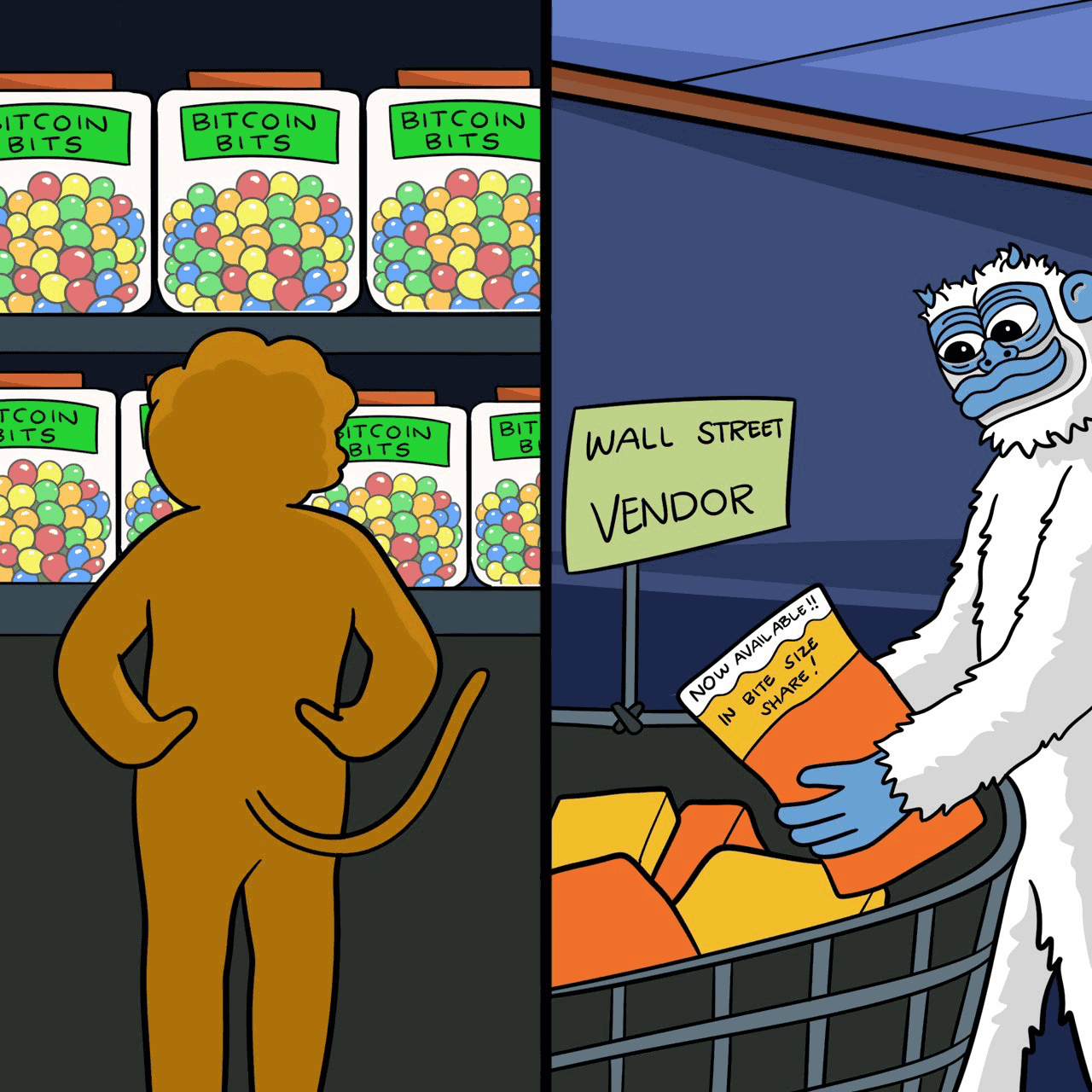
An ETF (Exchange-Traded Fund) is the stock market’s equivalent of a classroom snack jar: you buy a share, and the teacher promises the jar contains exactly that much candy. When regulators approved spot Bitcoin ETFs in 2024 they effectively placed a candy jar full of BTC on every Wall Street shelf. Grandparents can now add bitcoin to their retirement plans without memorizing a private key or worrying about exchange hacks.
| Asset | U.S. Spot ETF Launch | Notable Ticker(s) | AUM Highlights (Jun 2025) | Milestones |
|---|---|---|---|---|
| Bitcoin | 11 Jan 2024 | IBIT (BlackRock), FBTC (Fidelity) + eight peers | IBIT > $70B AUM—the fastest ETF ever to reach that figure | Spot BTC ETFs cumulative trading volume > $750B in 16 months |
| Ether | 23 Jul 2024 | ETHA (BlackRock) + seven peers | Combined spot ETH ETF AUM ≈ $12B | SEC approved listed options on ETH ETFs (Apr 2025) |
| Next wave | Pending decisions 2H 2025 | Solana, Sui, Litecoin, XRP, Cardano, Polkadot | — | Bloomberg puts SOL & LTC approval odds near 90% by Q4 2025 |
Why this matters:
ETF inflows ripple back onchain. When ETF issuers need more bitcoin, they often pay miners or OTC desks with stablecoins, creating an invisible bridge between Wall Street and decentralized exchanges. That “plumbing” matters because it nudges regulators to craft clearer rules, and clarity is the fertilizer startups need to grow.
- Regulated access – Pension funds, RIAs, and 401(k) plans can now buy crypto exposure through familiar brokerage pipes. This pulls Wall Street dollars into crypto, deepening liquidity.
- Liquidity flywheel – ETF market-makers arbitrage onchain and off-chain liquidity, deepening order books and compressing spreads.
- Signposting for policy – Spot approvals indicate the SEC now classifies BTC and ETH as sufficiently decentralized commodities; the conversation has shifted to stable-coin legislation and staking.
Outside the U.S., Europe trades multi-asset crypto ETPs, and Hong Kong licensed spot BTC and ETH ETFs in April 2025, underscoring a gradual realignment of global financial centers toward tokenized assets.
Putting the Puzzle Pieces Together
The 2025 crypto landscape looks messy on the surface—dozens of chains, meme tokens, and legal acronyms—but its underlying themes are easy to remember:
- Pluralistic Networks – No single chain can—or should—dominate. Instead, they specialize and then connect, like cities linked by highways.
- Stablecoins as Digital Cash – Price-stable tokens grease every gear, from African gig-worker wages to billion-dollar ETF settlements.
- Tokenization of Everything – When a house deed, a Treasury bill, and a game sword all live on the same ledger, developers can combine them into apps we haven’t imagined yet.
- Culture Drives Adoption – Memes and NFTs act like field trips that make the serious machinery fun to explore.
- Institutional Seal of Approval – ETFs and government reserves say, “This tech is no longer only for techies.” But they also bring adult supervision—audits, KYC, and consumer protections.
Blockchains have grown from a weekend experiment into a multi-trillion-dollar, round-the-clock ecosystem. Bitcoin has matured into digital gold that even nations hold; Ethereum and its roll-ups power an app universe that never sleeps; newcomers like Solana, Sui, and XRP Ledger tackle speed, gaming, and global payments. Stablecoins act as internet-native dollars, while real-world assets climb onchain and start earning yield in wallets. Memes spark curiosity, sleek wallets remove fear, and spot ETFs welcome pension funds and schoolteachers alike. Understanding this living, evolving landscape equips you to participate in, and perhaps help build, the next phase of the Read-Write-Own internet.
🧭 LOOKING AHEAD
In the next chapter, we’ll explore how Web3 is expanding beyond finance—into art, identity, communities, and culture. From DAOs to decentralized social networks, the next wave is more than just money.
🧠 Quick-Check Quiz
- Explain in one sentence the difference between an L1 and an L2 blockchain.
- Name two ways a stable-coin can keep its $1 peg.
- Why might a farmer in Kenya care about tokenized U.S. Treasury bills?
- True or False: Buying a Bitcoin ETF means you must manage a private key.
- Imagine your school library tokenizes its rare books. What new things could students do with those tokens?