

Now, not all tokens are meant to be identical. Some tokens represent unique items. A Non-Fungible Token (NFT) is a special type of token that is unique and not interchangeable one-to-one. Each NFT has an identity that sets it apart from any other token. If fungible tokens are like identical coins, non-fungible tokens are more like collectibles or one-of-a-kind items.
Think of trading cards: if you have a rare baseball card and your friend has a different card, even if they’re both just “cards,” they are not equal—one might be rarer or have different value. You wouldn’t just swap them blindly assuming equal value. That’s how NFTs work for digital assets. Each NFT has its own distinct characteristics (metadata) and can often only have one official owner at a time.
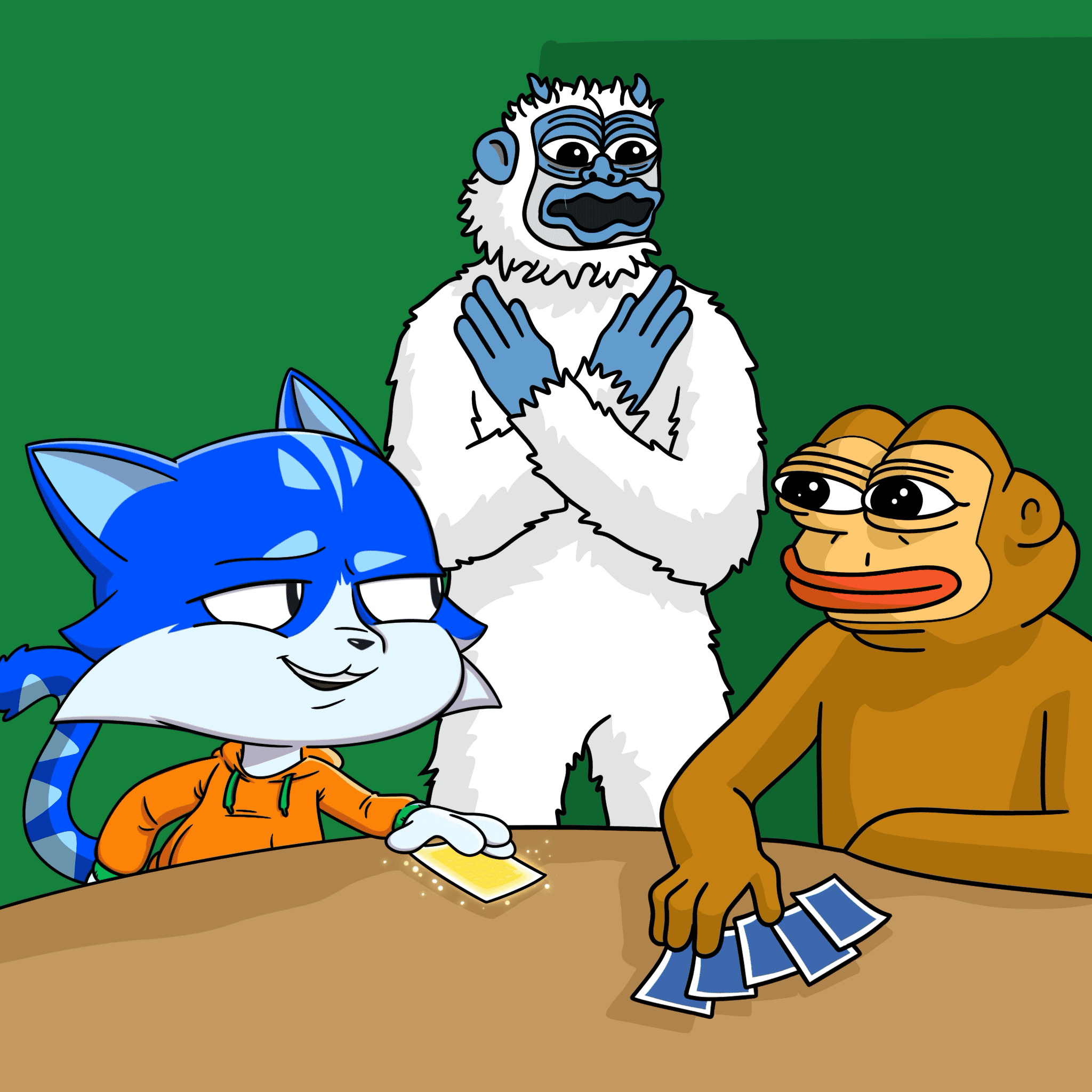
🎨 MINI SPOTLIGHT: What’s in the Metadata?
Every NFT has hidden “data about data” called metadata. This can include:
- Title and description
- Creator name
- File links or IPFS hashes
- Trait values (for collectibles, like “laser eyes” or “rare background”)
These metadata make NFTs searchable and valuable in marketplaces.
What can NFTs represent? Almost anything unique! Originally, NFTs became famous for representing digital art—for example, an NFT can prove you are the owner of a specific digital painting or graphic. NFTs are also used for collectibles (like unique trading card images or virtual pets), in-game items (a one-of-a-kind sword in a game, or a piece of virtual land), music or videos (an artist can release an album as a limited NFT), and even for certain real-world assets (like a token that represents ownership of a specific physical item or property). Essentially, an NFT is a certificate of authenticity and ownership for a digital (or physical) item, recorded on the blockchain. It’s like a deed for a house, but digital and verifiable by anyone.
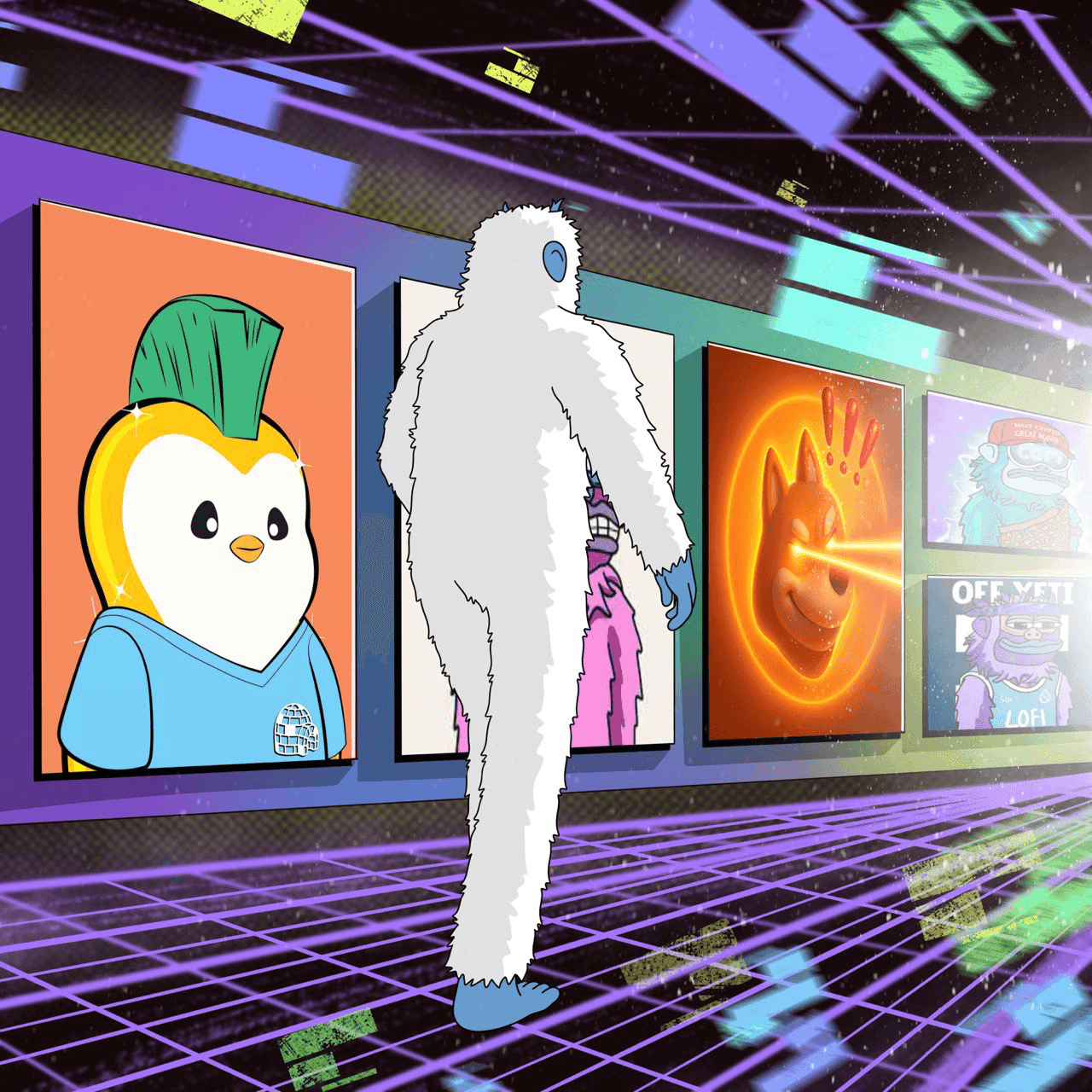
For example, the digital artist Beeple sold an NFT artwork for over $69 million in 2021 – that NFT represented a collage of his artwork and by owning the NFT, a collector could prove they owned the original digital piece. Anyone can still see the image (just like anyone can see the Mona Lisa by going to the Louvre or looking up a photo of it), but only the NFT owner is recognized as the official owner of that digital artwork, with the blockchain serving as the public ledger of that fact.
🧠 DID YOU KNOW? The first widely recognized NFT project was CryptoKitties in 2017. The game was so popular it actually clogged the Ethereum network for days, proving both the promise and the limitations of early Web3 apps.
Some properties of NFTs:
-
Each NFT has a unique identifier (like a serial number) and typically some metadata (data describing the item, such as title, description, or a link to the digital content).
-
NFTs cannot be directly exchanged 1:1 with another NFT as equal trade, because they may represent different values or things. For instance, one NFT might be a rare “holographic” item, another might be common—they’re not of equal value.
-
NFTs can be bought or sold in marketplaces, often for fungible tokens (like you buy an NFT art piece using Ether). The value is whatever someone is willing to pay—just like traditional collectibles or art have subjective value.
-
Like other tokens, NFTs exist on blockchains. Ethereum was the first major blockchain to implement NFTs widely (using a standard called ERC-721), but now many blockchains (Flow, Solana, Polygon, etc.) support NFTs.
Why are NFTs important in Web3? They enable true digital ownership. Before NFTs, if you bought a digital item (say a song or an in-game item), you typically couldn’t easily transfer or sell it outside the platform, and verifying authenticity was hard. NFTs allow digital items to behave more like physical property—you can own it, sell it, rent it out (some NFT games let you lease items), or take it with you to different places (interoperability). For creators, NFTs open up new business models—artists can earn royalties each time their NFT art is resold (because the smart contract can automate a royalty payment to the original creator on each sale). This is something that doesn’t easily happen with traditional art or media sales. Brands have also experimented with NFTs for fan engagement (e.g., a brand issuing NFT collectibles that give special perks to holders).
NFTs also tie into identity—for instance, a profile picture NFT (like the famous CryptoPunks, Bored Ape Yacht Club, or Mystic Yeti images) can become a digital avatar someone uses, and ownership of that NFT might grant access to online communities or events. We’ll talk more about such uses in later chapters (like Chapter 7 on Web3 social networks and identity).
To ensure clarity: Owning an NFT does not always mean owning copyright or full control of the content (that depends on the project’s terms), but it does give you the provable ownership of the token which is linked to the content. It’s a new concept that blends tech, economics, and even philosophy about what it means to “own” something that’s digital.
🔄 ANALOGY: NFTs vs. eBooks An NFT is to digital art what a signed first-edition eBook is to regular downloadable PDFs. Anyone can copy the content, but only one person owns the “authenticated original.”