

In everyday life, we encounter tokens in various forms: a token could be an arcade coin that you use to play games, or a ticket that gives you access to an event. In the digital realm of blockchains, a token is basically a piece of data (often a number in a database) that represents some value or entitlement. Because blockchains are decentralized ledgers, owning a token means your ownership is recorded across a network and can be verified by anyone. Tokens can represent many things—currency, a collectible item, a voting right, or access to a service.
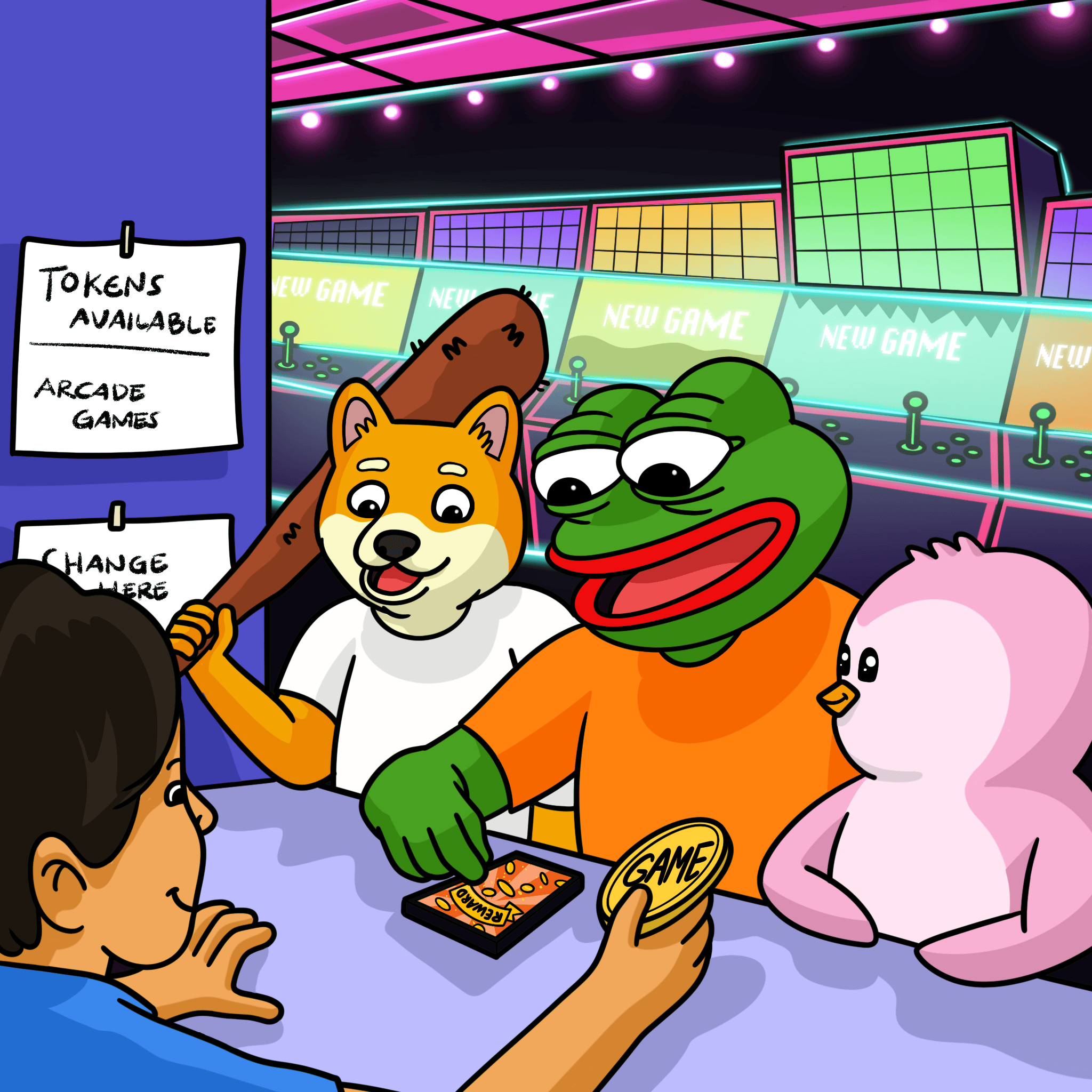
Bitcoin is a classic example of a token—it’s a digital currency token on the Bitcoin blockchain. Ether (ETH) is the native token on the Ethereum blockchain, used to pay transaction fees and also tradable as money. But beyond currencies, tokens have expanded to represent unique items and rights. We’ll first look at fungible vs. non-fungible tokens, which is a fundamental distinction.
🧠 DID YOU KNOW?
The word "token" comes from an Old English term meaning "sign" or "symbol." In blockchain, tokens are like digital symbols of value or access. But instead of being printed on paper or plastic, they’re secured by code and cryptography.
✍️ ACTIVITY: Real-World Token Scavenger Hunt
Find three physical “tokens” around your home or school. These could include:
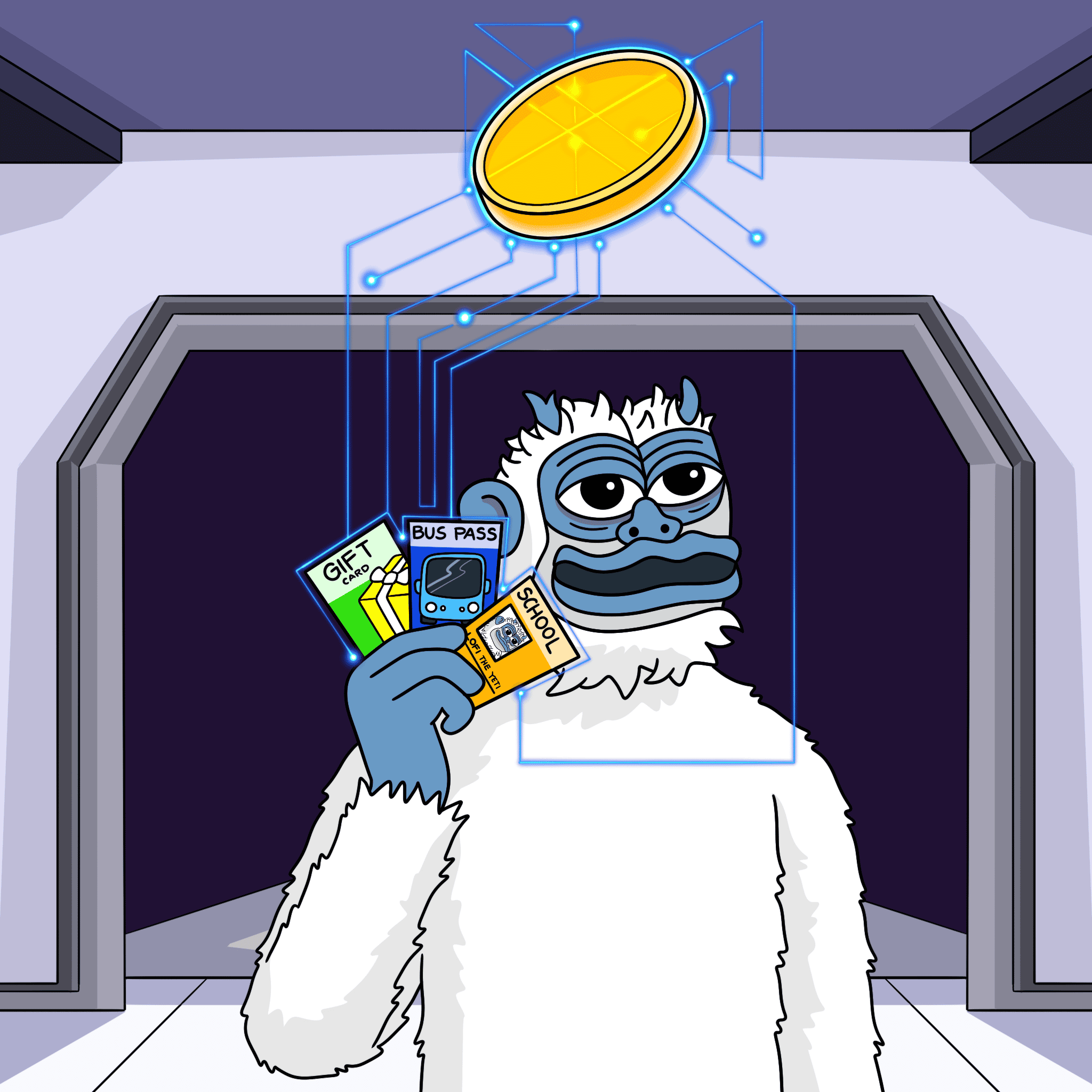
- Gift cards
- Bus passes
- Membership cards
Now describe what value each one represents. Then imagine a digital version of each, secured on a blockchain.