

To understand where the internet has been—and where it's going—it helps to see that not all networks are built the same. There are three major types of internet networks: protocol networks, corporate networks, and blockchain networks. Each has its own structure, strengths, and limitations.
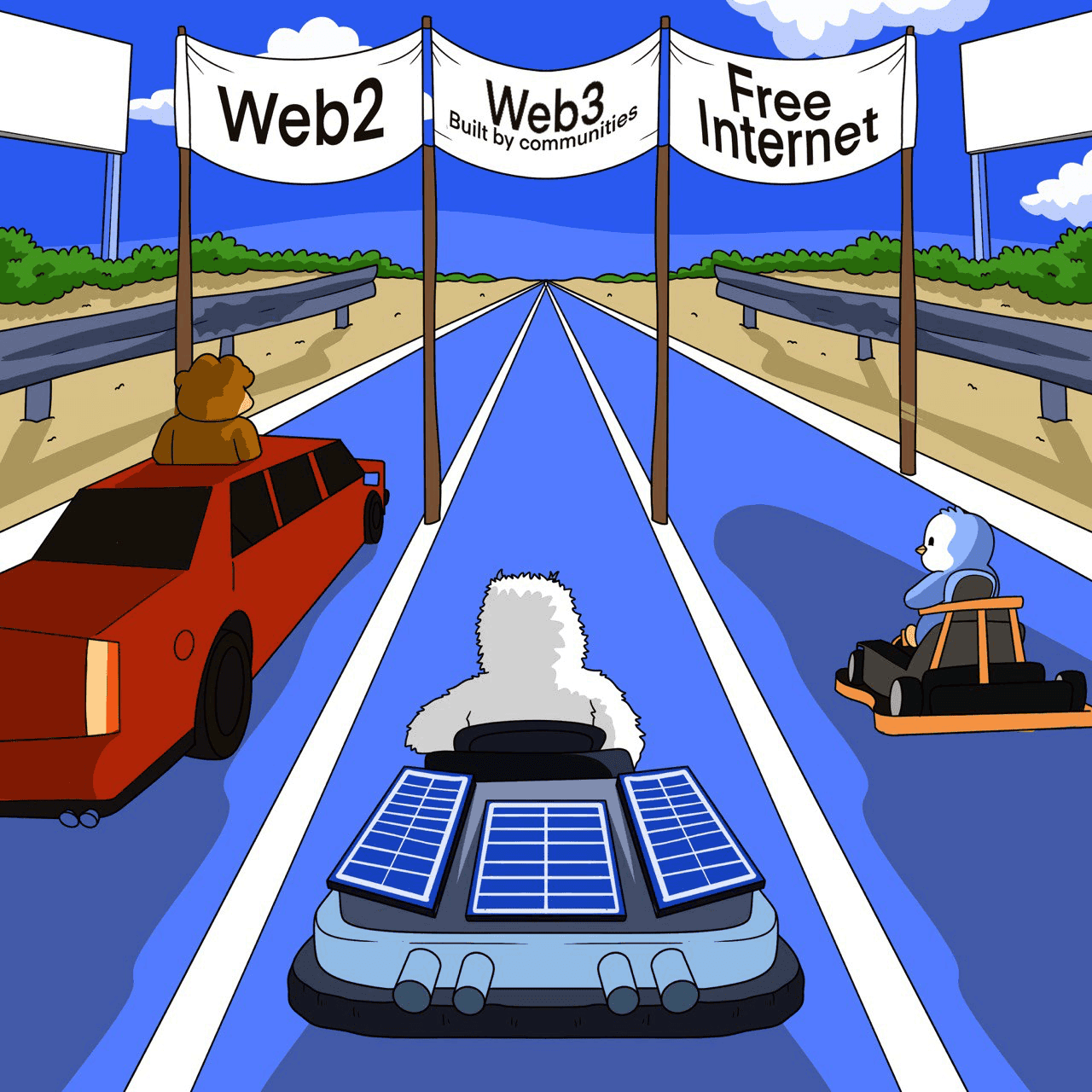
🌐 Protocol Networks – The Original Open Infrastructure
These are the foundations of Web1. They include things like HTTP (used to load websites), SMTP (used to send email), and TCP/IP (used to send data). Protocol networks are open standards: anyone can build with them. No company owns email, for example—you can use Gmail or ProtonMail or build your own server, and it all works together. These networks are decentralized in design and run by shared rules, but they don’t include native incentives or ownership.
Think of it like a public road system.
Everyone can drive on it. No one company owns the road. But there’s no built-in way to fund new roads or reward people who improve traffic flow.
🏢 Corporate Networks – The Era of Platforms
Web2 introduced corporate networks like Facebook, YouTube, and Instagram. These platforms are centralized: one company controls the interface, the data, the rules, and the profits. Users provide the content, but they don’t own the infrastructure or share in the upside. The platform benefits from network effects (the more users, the more valuable it is) and can change policies at any time.
This is like a private amusement park.
You can go in and enjoy the rides—but the owners decide ticket prices, what rides exist, and whether you can come back tomorrow.
⛓️ Blockchain Networks – Incentivized, User-Owned Systems
Blockchain networks like Bitcoin and Ethereum aim to combine the open nature of protocol networks with built-in ownership and incentives. These networks are open and decentralized, but they also include tokens that reward participants—miners, validators, developers, and even users. Blockchain networks are designed to be composable (anyone can build on them) and sustainable (through native economic models).
This is more like a digital co-op.
Users can help run it, earn rewards, vote on changes, and share in its growth. It’s infrastructure you can own.
🔍 In Summary:
- Protocol Networks = Open and shared, but hard to fund
- Corporate Networks = Closed and centralized, but easy to use
- Blockchain Networks = Open, decentralized, and incentivized
As we move deeper into Web3, understanding these three models helps us appreciate what makes blockchain unique: it isn't just a new app or trend—it’s a new kind of internet infrastructure, blending openness with ownership.

🛠️ TOOLKIT PREVIEW
Throughout this course, we’ll dive deeper into the building blocks of Web3:
- Blockchains (how data is secured)
- Wallets (how identity is managed)
- Tokens (how value is shared)
- DAOs (how communities vote)
- Smart Contracts (how rules are enforced automatically)
🧭 LOOKING AHEAD:
The rest of this course will explore how all the key elements—like tokens, wallets, and smart contracts—bring Web3 to life. You’ll learn how new kinds of applications, communities, and even economies are being built on these principles.