

Now we are entering a new phase referred to as Web3.0 (or simply Web3). The big idea of Web3 is an internet where users can own digital assets, their data, and even a stake in the platforms they use. In other words, it’s often described as “read, write, own”. Web3 builds on technologies like blockchain (which we’ll explore throughout this course) to achieve decentralization. Instead of all power and data in the hands of a few central companies, Web3 envisions data spread across networks of computers, and value flowing directly between users. In Web3, communities of users and developers can have ownership (via tokens or cryptocurrency) in the apps and networks they participate in.
Chris Dixon, a prominent technologist, defines Web3 as “an internet owned by users and builders, orchestrated with tokens”. What does that mean in practice? Imagine a social network where you, the user, actually hold a token that represents a share of the network. If the network grows, the value of your token might grow. You could vote on changes to the platform’s rules using these tokens (this idea is called governance, which we’ll cover). Or consider owning digital items (like art, music, or even in-game collectibles) in a way that no company can take away—that’s enabled by non-fungible tokens (NFTs), a Web3 innovation discussed later.
🧬 WHAT MAKES WEB3 DIFFERENT? A DNA SHIFT
Web1 = Open protocols + closed participation
Web2 = Open participation + closed platforms
Web3 = Open everything: infrastructure, value, ownership, governance
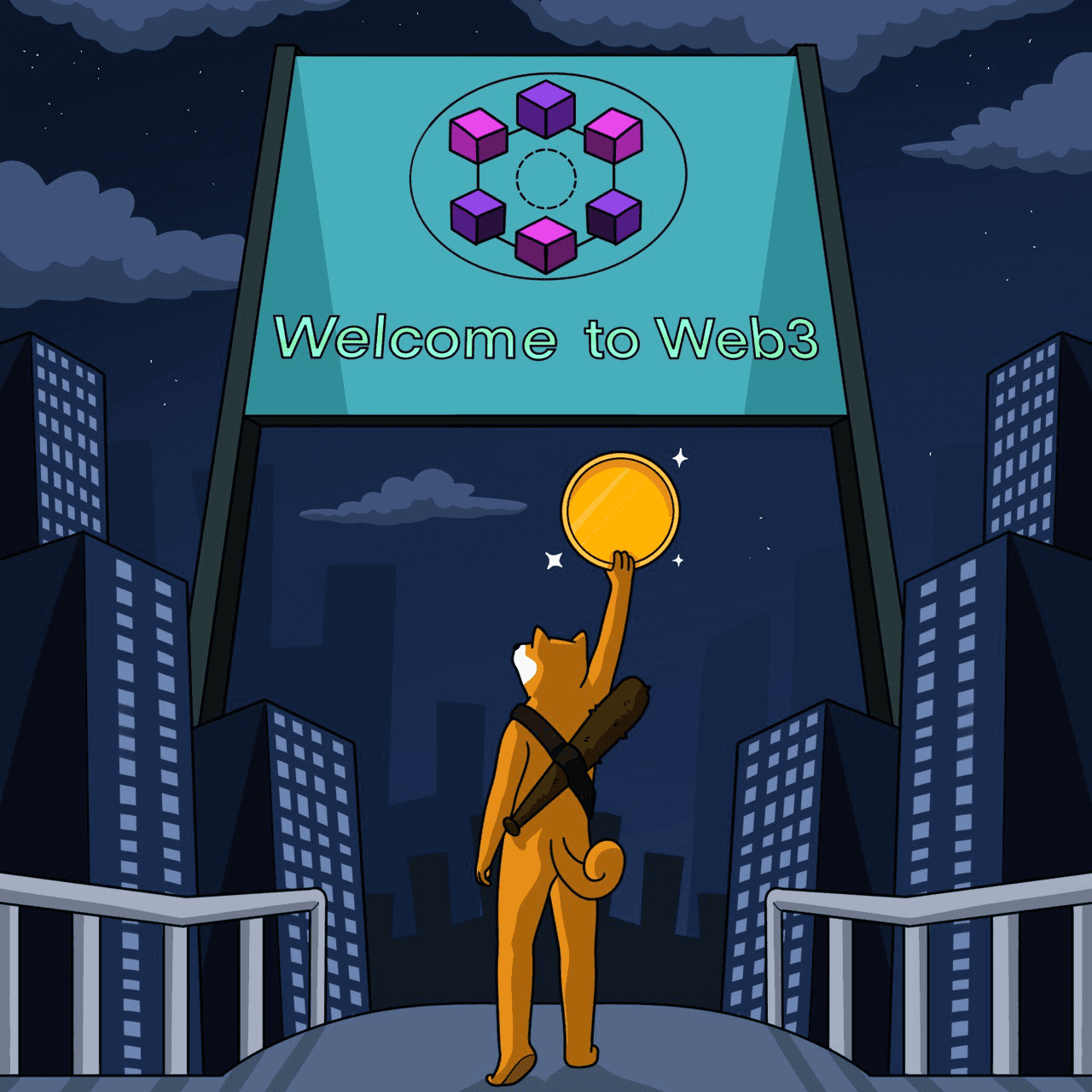
In Web3, blockchain networks and smart contracts (self-executing code) replace some of the functions of traditional web servers and intermediaries. Because blockchains are typically public and permissionless, anyone can build on them or use them without a central gatekeeper. This harkens back to the openness of Web1, but now with the ability to have digital property rights. For example, in Web3 you might log into a new social app using your crypto wallet (which proves what digital assets or identity tokens you own) rather than creating a new account tied to your email or Facebook account. Your social connections might be stored in a decentralized way so that you could move to a different app and bring your followers with you, instead of being locked into one company’s platform.
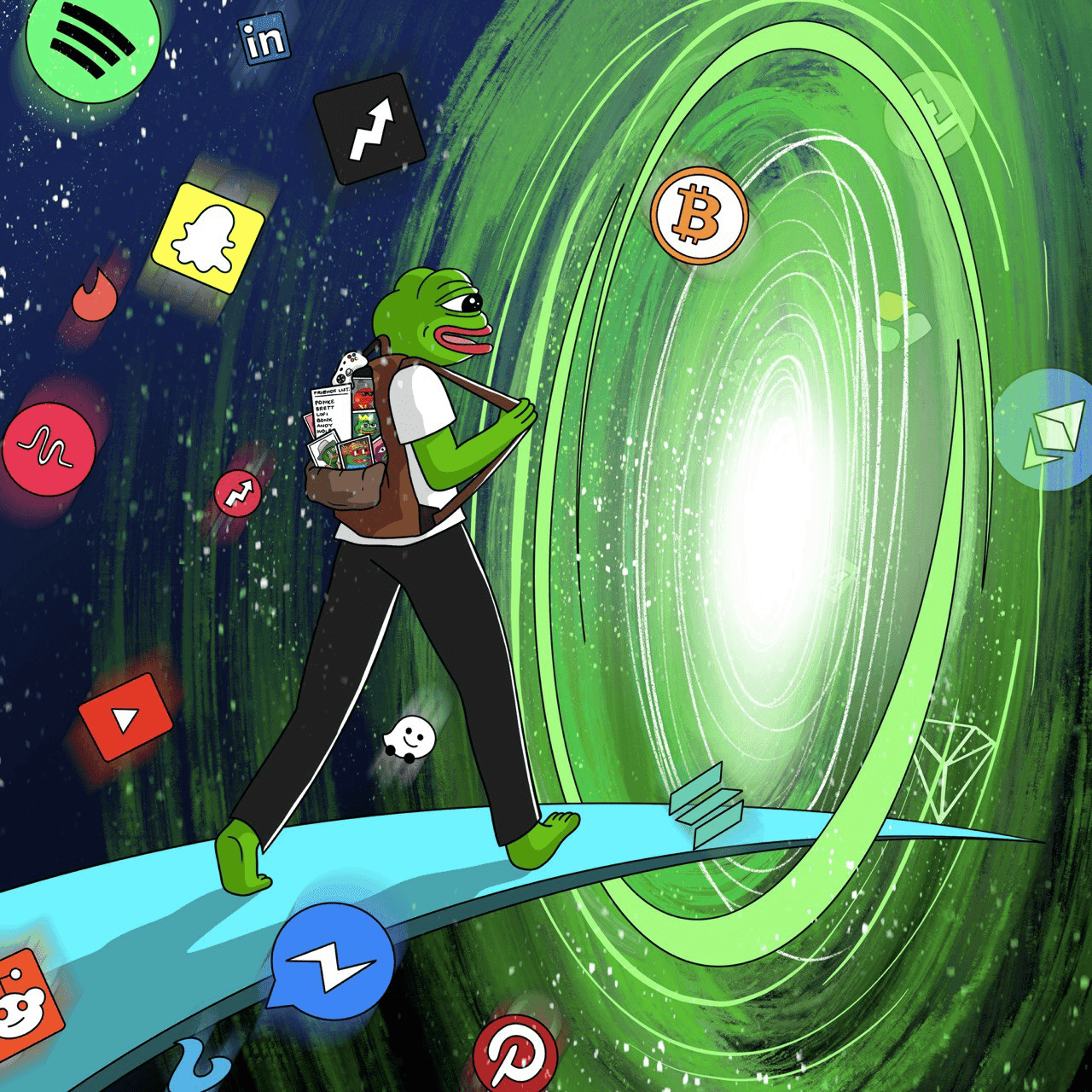
A key element making this possible is the concept of tokens—digital units of value on blockchains that can represent ownership. Web3 apps often distribute tokens to their users. If you’ve contributed to a community or provided liquidity to a decentralized finance app, you might receive tokens that give you a stake in that protocol. In the Web3 model, users and creators can directly earn value from their contributions, instead of all the value accruing to a centralized company. This shifts the incentive structure: rather than users being “the product” whose data is sold (as often in Web2), users become stakeholders.
It’s important to note that Web3 is still emerging. Not everyone agrees on what Web3 will fully look like, and it’s a work in progress. There are challenges to overcome like scalability (can decentralized networks handle billions of users?), user experience (today’s blockchain apps can be confusing or require technical know-how), and governance (making sure having a token truly gives meaningful voice). We’ll dive into many of these topics in later chapters. But the overarching vision can be summed up as Dixon’s “Read-Write-Own” internet, where power is more democratized. In the dawning Web3 era, anyone can become a stakeholder in the services they use, gaining economic benefits and decision-making power that in Web2 belonged only to companies and shareholders.
🎮 IMAGINE THIS:
You play a Web3 game. You earn rare armor as an NFT. A year later, the game shuts down—but because it’s on a blockchain, you still own that armor and can use it in a new game. In Web2, you’d lose it forever.