

The first era of the internet, often called Web1.0, started in the 1990s. In Web1, most websites were static pages. This means you could visit and read information, but there was little interactivity. Content was published by a relatively small number of people (like organizations, news sites, or early personal webpages), and users were mostly consumers of that content. Think of Web1 as a giant digital library—lots of information, but you mostly just read it and couldn’t change or comment on it easily. For example, early web portals and forums let you find facts or read news, but there was no social media or streaming video yet. It was a “read-only” web. Many consider this a golden age of innovation for its time, but by today’s standards it was quite limited in user participation.
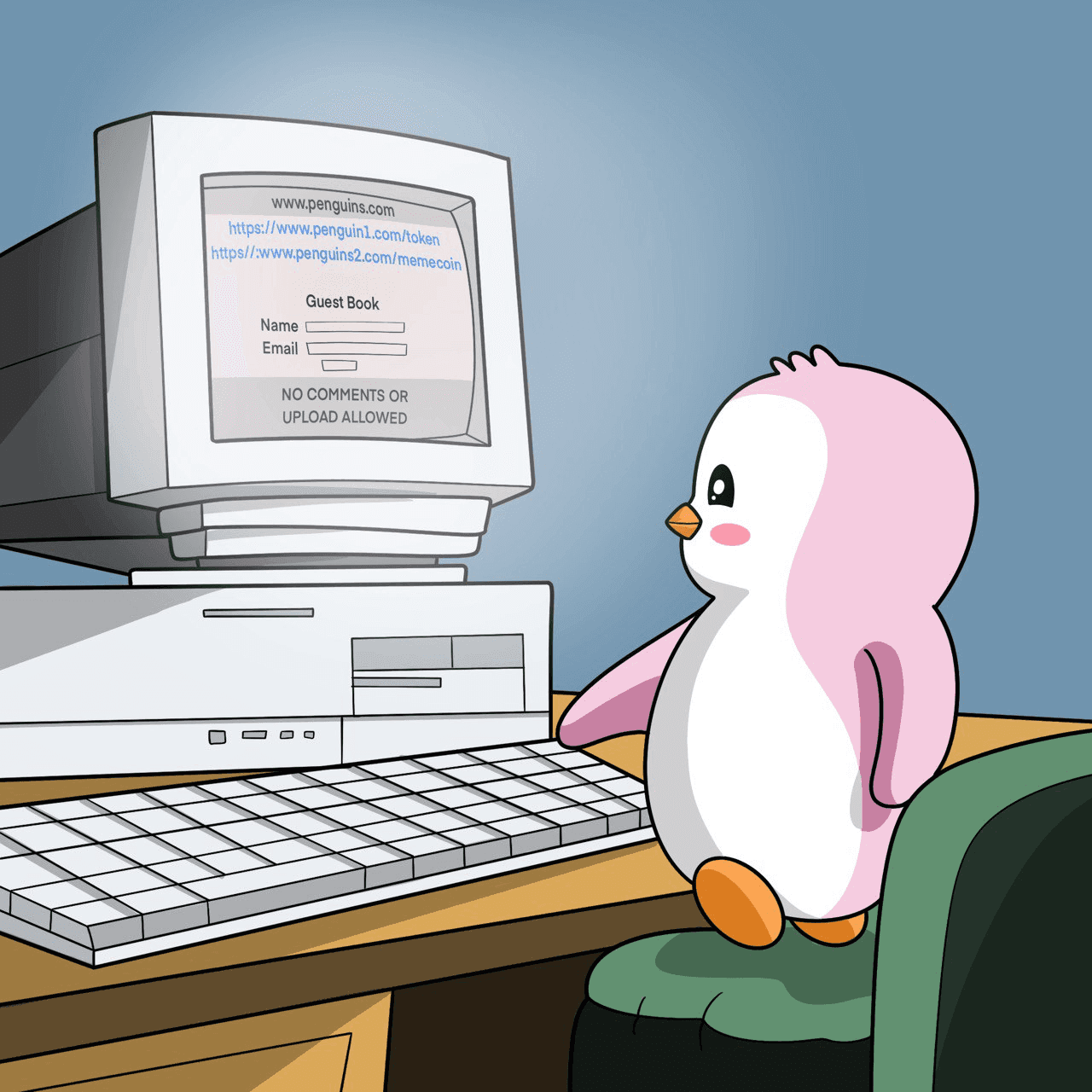
💡 SIDENOTE: A Time Before Likes and Comments
In the Web1 world, you couldn’t “like” a post because there were no posts! You browsed pages that were like online brochures. Think of it as a printed newspaper that got uploaded to a screen - except you couldn’t talk back.
Key characteristics of Web1.0:
- Static content: Online brochures, simple directories.
- Read‑only interaction: Few comment or share features.
- Limited accounts: Little personalization; email was often the only login.
- Open standards: Anyone could build on core internet protocols.
Despite these limitations, Web1 laid the foundation for the internet. It introduced the idea that anyone could access information globally. Importantly, early internet protocols (like the web’s HTTP, email’s SMTP, etc.) were open and decentralized—meaning no single company owned them, and anyone could build on them. In fact, the early internet was designed to be permissionless and open, and creators owned what they built online. However, at this stage the web was not very interactive or user-friendly for creating your own content beyond tech-savvy individuals.
🖥️ Flashback: What Did Web1 Sites Look Like?
• Text-heavy pages with blue links
• A visitor counter at the bottom ("You are visitor #457")
• Guestbooks you could sign (but no real comment sections)
• No search engines as we know them - just web directories
✍️ ACTIVITY:
Ask a parent, teacher, or older sibling if they remember using Web1. What websites did they visit? Did they ever make one?