

Around the mid-2000s, the internet evolved into what we call Web2.0. This era introduced dynamic, interactive websites and user-generated content. In Web2, users can not only read information but also write content back to the platform—by posting comments, uploading videos, sharing photos, and more. Social media, blogs, and streaming platforms all rose to popularity during Web2. For example, platforms like Facebook (launched 2004), YouTube (2005), Twitter (2006), and later Instagram and others enabled billions of people to create online profiles and share their own content. The web became a two-way street.
On the surface, Web2 felt empowering: anyone could become a creator on blogs, social networks, or video sites. Collaboration and connectivity exploded—think of Wikipedia (launched 2001) where volunteers around the world jointly write encyclopedic articles, or the way you can comment on a news article or share it with friends instantly. The “read-write” web enabled by Web2 brought us unprecedented social interaction and creativity online.
🔄 QUICK ANALOGY:
If Web1 was like going to the library, Web2 is like attending a town square event where everyone has a microphone.
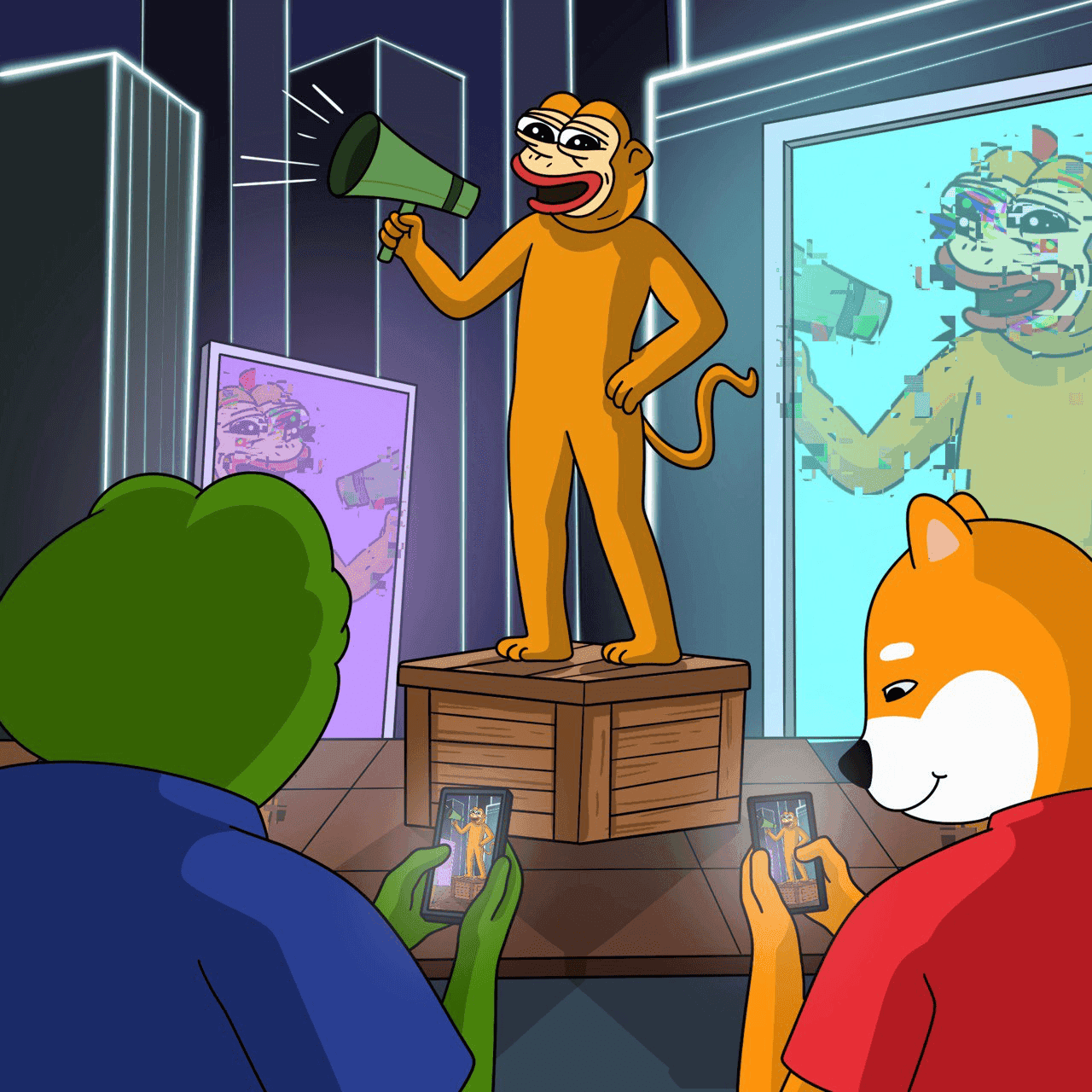
However, Web2 also led to the rise of large centralized companies controlling these platforms. Most user content in Web2 lives on centralized servers owned by big tech firms. A handful of tech giants—sometimes referred to as FAANG (Facebook, Amazon, Apple, Netflix, Google)—came to dominate the web services many of us use daily. As one Web3 advocate put it, “Five-plus companies kind of control the internet” in the Web2 era. These companies provide amazing free services, but they also intermediate (stand between) users: they often make money through advertising or data collection, and they have the power to change rules or censor content on their platforms. For example, a social media platform might suddenly change its policies or algorithms, affecting what users see or whether a creator’s audience can find them. We went from an open, permissionless Web1 to a Web2 where much of the online experience is governed by a few big platforms. Users could contribute content, but they did not own the platforms or often even their data on those platforms.
🌍 DID YOU KNOW?
The phrase “Web 2.0” was first popularized by a conference in 2004. It wasn’t about a new internet protocol - it was about a new way people were using the internet.
Key characteristics of Web2.0:
-
Interactivity and user content: Comments, likes, shares, and uploads became standard. The web became participatory – you can post a tweet or upload a video and reach the world.
-
Platforms and centralization: Large services (social networks, app stores, cloud services) manage the content and data. Content is often stored in company-owned databases.
-
Personalization: Users have accounts, profiles, and feeds. Content can be tailored to your interests (often via algorithms and data collected on your behavior).
-
Network effects: The value of platforms grew with more users (e.g. Facebook became more useful as all your friends and family joined). This also made it hard for new competitors to emerge, since everyone congregated on a few big networks.
Web2 massively increased the reach of the internet and made it truly social and interactive. But it introduced trade-offs: users got convenience and audience reach, while companies got control and ownership of platforms and data. Many people began to question: is there a way to keep the good (user participation) without the bad (centralized control)? This is where the idea of the next phase, Web3, comes in.
🤖 BEHIND THE CURTAIN: The Role of Algorithms
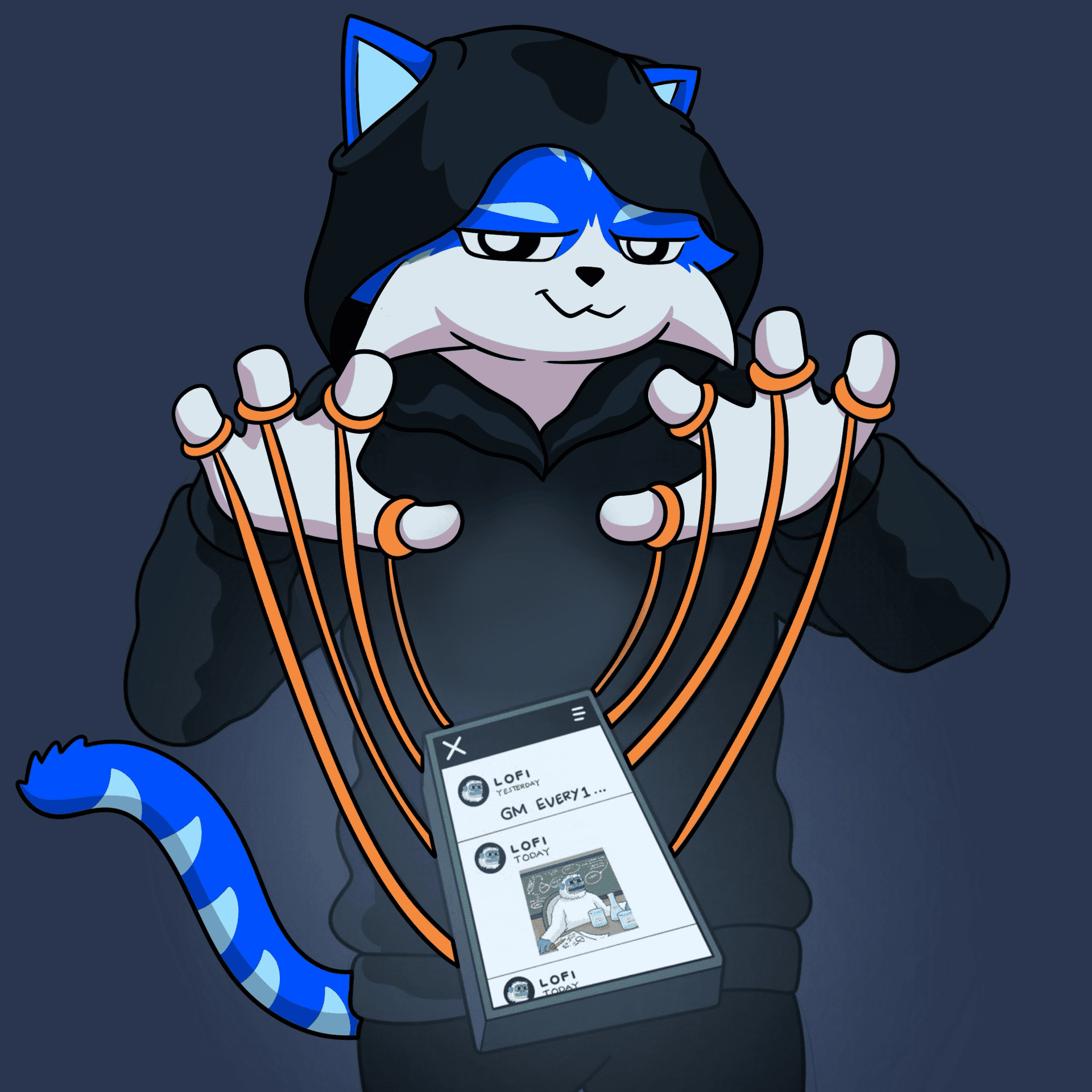
In Web2, algorithms began quietly shaping our online experience. These are invisible “rules” that platforms use to decide what to show you. They learn from your behavior—what you click, how long you scroll, what you skip—and feed you more of what you’re likely to engage with.
❓THINK-IT-THROUGH:
Do you think it’s fair that companies use your data to decide what content you see? Should users be able to see and change how algorithms work?