

Beyond the basic classification of fungible vs non-fungible, tokens can also be categorized by their purpose. Two common types you’ll hear about are utility tokens and governance tokens. These are usually fungible tokens (though conceivably an NFT could have utility or governance function too, in niche cases). Let’s break them down:
- Utility Tokens: These are tokens that provide access to a product or service. They have some utility within a specific ecosystem. For example, imagine a decentralized storage network (like a blockchain-based Dropbox). That network might have a utility token which you need to pay in order to store your files. The token essentially acts like fuel or a coupon for using the service. Many blockchain projects launched utility tokens that users can buy to “unlock” certain features or to pay fees on their platform. Another example: in some games built on blockchain, a token could be used to purchase in-game items, vote on game story direction, or reward players.
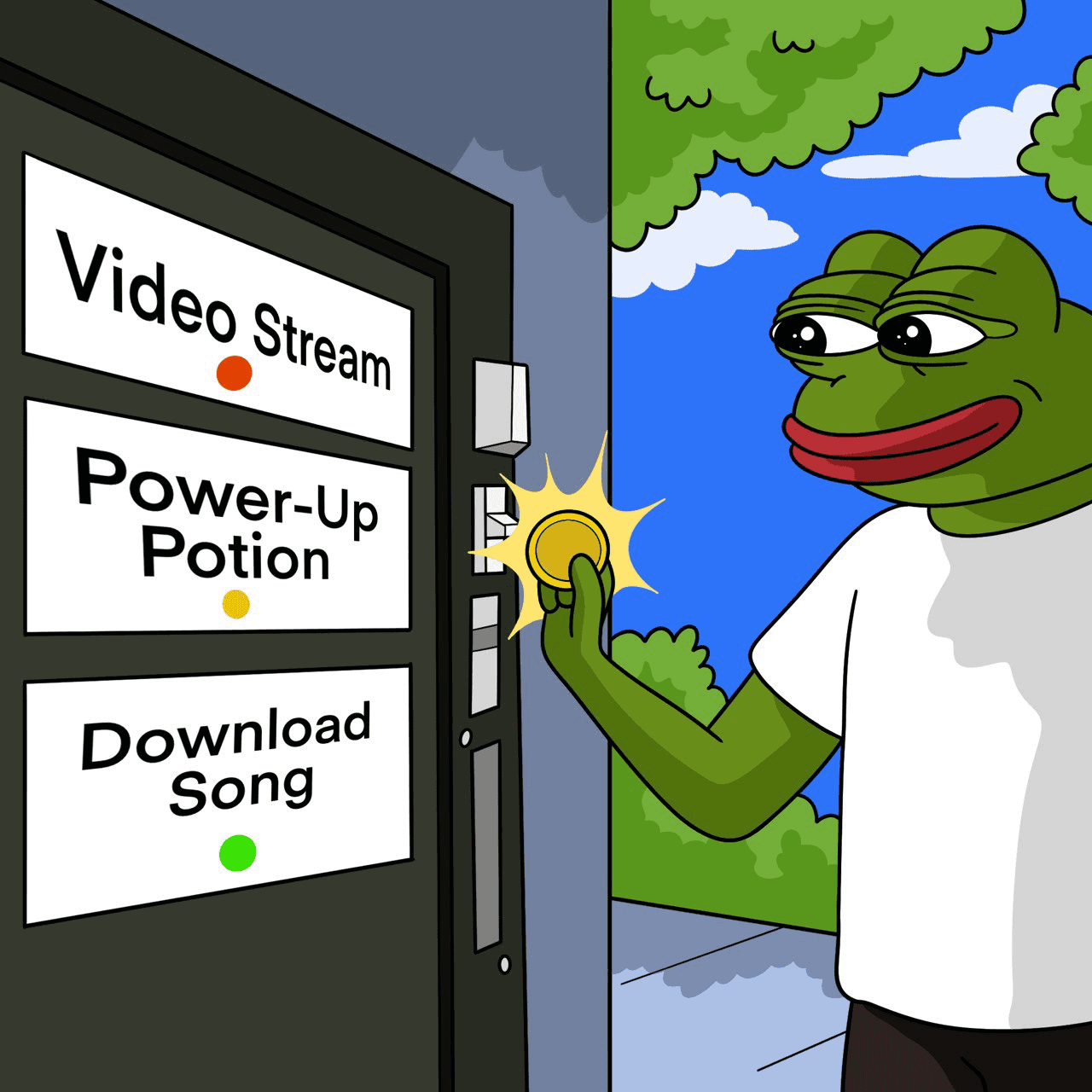
🔧 TECH SIDEBAR: What Makes a Token Useful?
A utility token works because the project builds around it. No product = no utility. The value isn’t just in the token—it’s in the ecosystem, community, and utility hooks the platform creates.
Utility tokens often derive their value from how useful the underlying platform is—if more people want to use the service, demand for the token might go up. It’s important to note utility tokens are not primarily intended as investments, though people do speculate on them. They’re meant to be consumed/spent for a purpose.
Analogy: Think of utility tokens like Chuck E. Cheese tokens or arcade tokens—you buy them to play games at the arcade. Outside the arcade, they’re not useful, but inside, they let you access the entertainment. Similarly, a utility token has utility inside its project’s ecosystem.
- Governance Tokens: These tokens give holders a say in decisions of a project or platform. In other words, they are used for voting and participating in governance. Many decentralized projects (especially in DeFi) issue governance tokens to their community. If you hold some of these tokens, you can vote on proposals—things like changing a fee parameter in a protocol, deciding how to spend a community treasury, or choosing future features. A famous early example is the token COMP from the Compound protocol (a lending DeFi platform). Holders of COMP could propose and vote on changes to Compound’s rules; effectively, Compound turned into a community-run protocol via these governance votes. Governance tokens usually are fungible and often get distributed to users of the platform as a reward (this was common in “DeFi summer” 2020 when lots of projects gave tokens to users to encourage participation). The idea is to decentralize control: instead of a CEO making all decisions, the token holders (which might include users, developers, etc.) collectively guide the project’s direction.

Governance tokens can sometimes double as utility or have value capture (e.g., some governance tokens let holders earn a share of fees, or the market just values them because of the influence they confer). But primarily, think of them as voting shares in a digital co-op. They exemplify the Web3 ethos by giving the community ownership and control.
🗳️ GOVERNANCE IN ACTION: Snapshot Voting
Most governance tokens today use tools like Snapshot, a voting platform where proposals are made and token holders vote by signing with their wallet—no gas fees required. This is Web3 democracy in action
Other token categories you might hear about include security tokens (tokens representing traditional assets like stocks or bonds under regulation), stablecoins (fungible tokens designed to maintain a stable value, e.g. 1 token = $1, often used in trading and DeFi), and more. Stablecoins are a big part of the crypto economy—examples are USDT or USDC, which are pegged to USD. While not a separate “type” like fungible vs NFT, stablecoins are worth mentioning: they are fungible tokens with the special purpose of price stability, making them useful for payments and as a refuge from volatility.
🧨 MEMECOINS: Tokens Without Utility, Yet Full of Culture
Not all tokens are designed for utility, governance, or financial stability. Some tokens exist purely as internet jokes—or as expressions of online culture. These are known as memecoins. Originally created as parodies or social experiments, memecoins often have no inherent utility, governance function, or underlying protocol. And yet, many have exploded in popularity due to viral momentum, community enthusiasm, or celebrity endorsements.
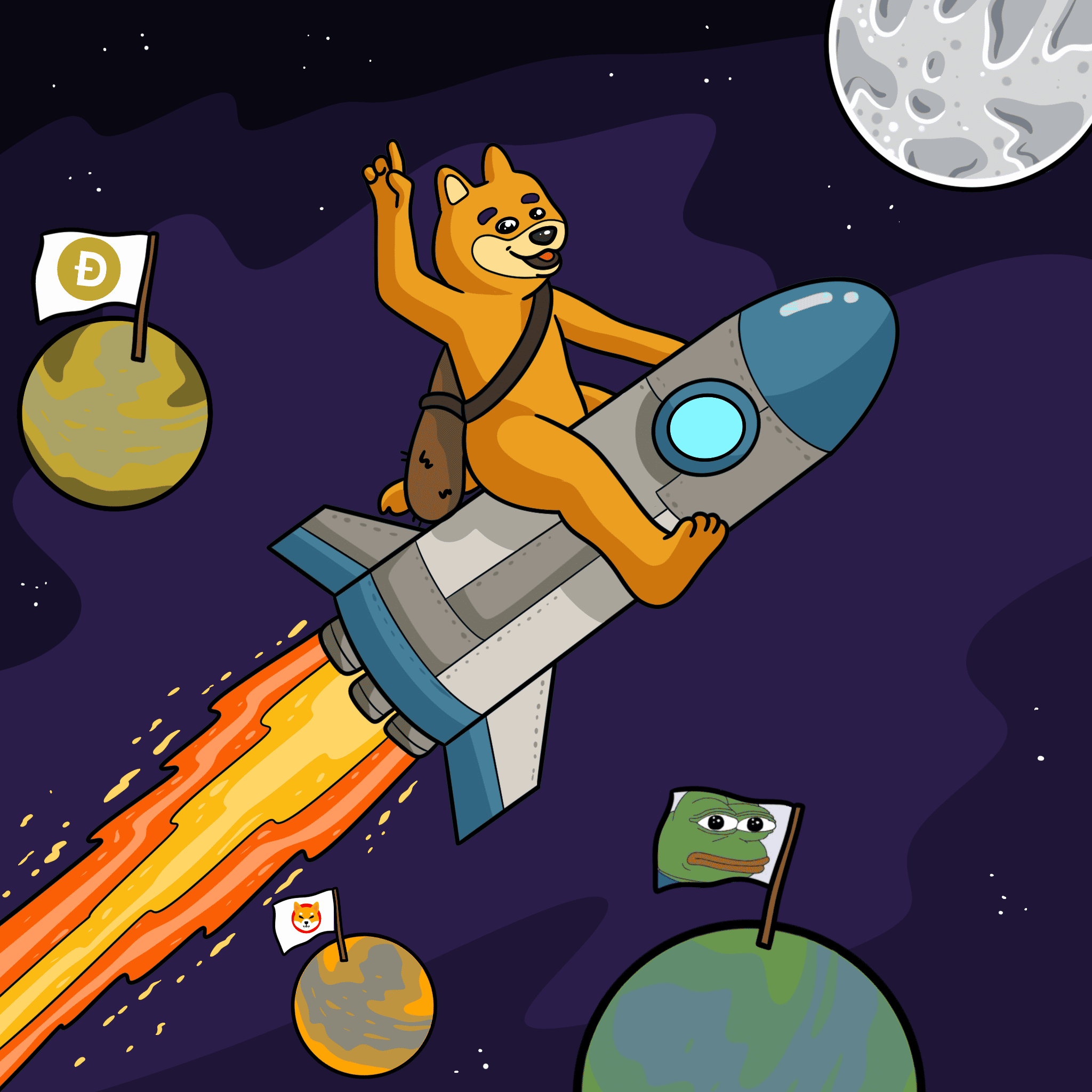
The classic example is Dogecoin ($DOGE)—a token that started in 2013 as a joke based on the popular “Doge” meme. It had no formal roadmap or use case but grew a massive community. Later memecoins like $SHIB (Shiba Inu), $PEPE, or $FLOKI followed the same trend. Some memecoins evolved into ecosystems, adding features like NFTs or staking to appear more legitimate—but most remain fundamentally non-serious tokens with speculative value.
💡 Why do memecoins matter?
They demonstrate how social energy and narratives can give value to tokens even without traditional fundamentals. While risky and often short-lived, memecoins reveal another layer of Web3: culture as capital. In a decentralized world, hype can move markets, and even tokens with “no purpose” can serve as onchain symbols of identity, belonging, or rebellion.
🧠 FUN FACT: In 2021, a DAO used governance tokens to raise over $40 million to try and buy a copy of the U.S. Constitution. They lost the auction but showed the power of rapid, token-driven collective action.
To recap this chapter in a practical way, let’s imagine a scenario involving different token types:
Scenario: You join a new blockchain-based game world called Crypto Kingdom. In Crypto Kingdom, there is a utility token called $CK, which you use to buy land, items, or pay for in-game actions. The game also gives active players a governance token called KING, which lets players vote on game updates (like should there be a new map, or how should the marketplace fees be set). Now, within the game, there are unique items—one player might own “Excalibur, the one-and-only legendary sword” as an NFT in their wallet. That NFT is non-fungible—only one person can own that exact item at a time, and it’s unique. Meanwhile, the gold coins or gems used in the game economy could be fungible tokens (maybe also using $CK or separate). Outside the game, on public crypto exchanges, people might trade $CKtokens if they want to invest in or speculate on the game’s popularity (like arcade tokens that can be bought/sold). TheKING governance tokens might also be traded or distributed to represent the community’s collective ownership.
In that example, you see multiple token types interacting: fungible tokens for currency/utility, non-fungible for unique assets, and governance tokens for control. This mirrors what we see in many real Web3 projects today.
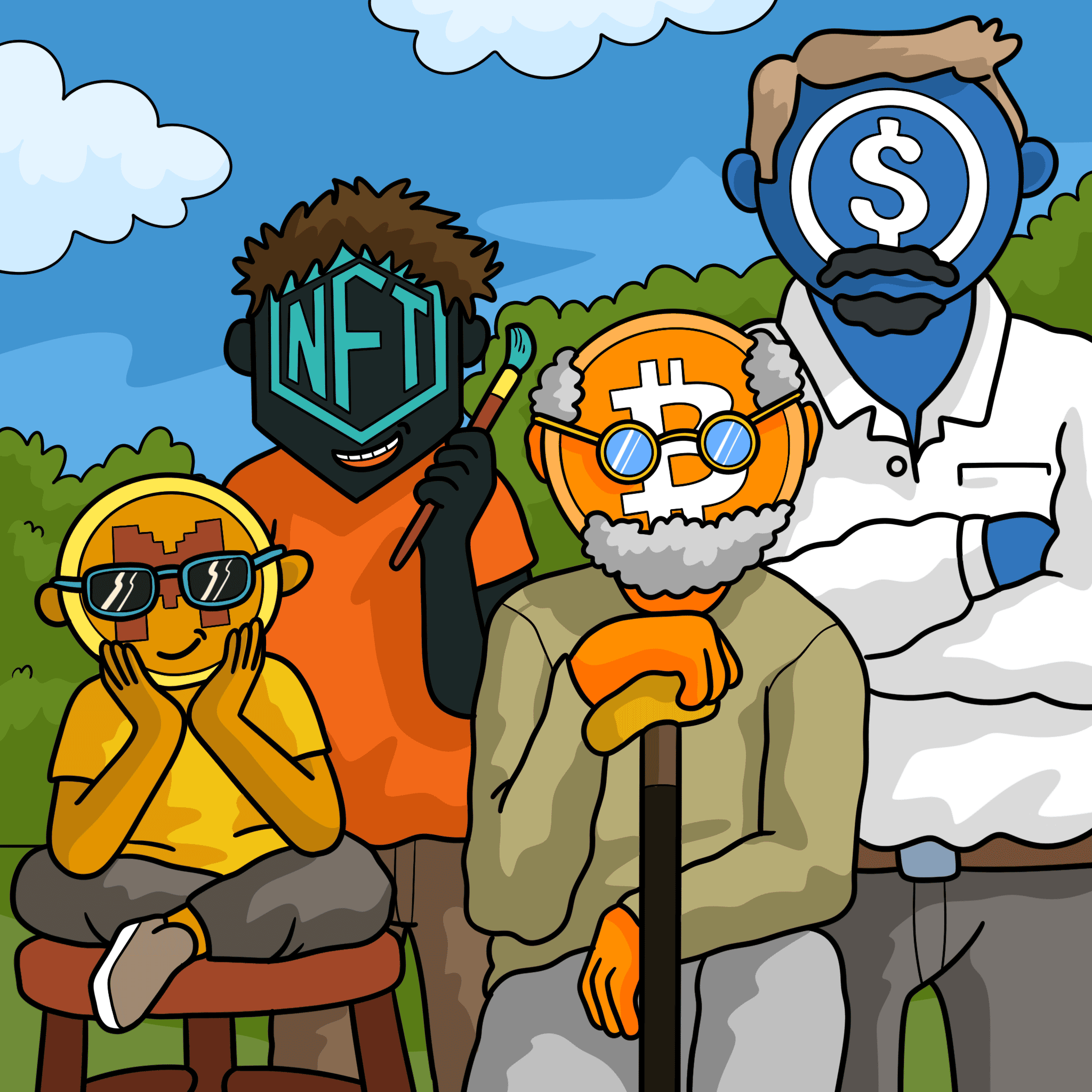
Real-world example to tie it together: The popular NFT game Axie Infinity has a fungible utility token called SLP (used in-game), a governance token called AXS (for community decisions and value accrual), and each Axie (the cute monster) is an NFT that players own and battle with. This trifecta is common: NFTs for assets/characters, utility tokens for actions/rewards, governance tokens for platform ownership.
Understanding tokens is foundational for everything else in blockchain. As we move on, we’ll see how tokens are stored and managed (in wallets), how they’re created via smart contracts, and how they enable new models like DeFi and DAOs. The key takeaway here: tokens allow digital value to be represented on blockchain, whether that value is currency (fungible tokens like Bitcoin), collectibles or assets (non-fungible tokens like NFTs), or rights and roles (utility access or governance power). By using tokens, Web3 platforms can turn users into stakeholders and digital items into ownable property, fueling the “Own” part of Read-Write-Own internet.
🧭 LOOKING AHEAD:
Now that you understand tokens and how they represent value, ownership, and rights in Web3, it’s time to explore how these tokens are stored, accessed, and transferred using wallets and smart contracts—our next major topic.