

In the traditional model, data—whether it’s your profile info, your photos, your friend list, your bank balance—is typically stored in centralized databases owned by companies or institutions. For example, your social media posts and contacts live on the company’s servers. You have an account and can access your data through their interface, but you don’t have a direct way to get that raw data out or move it elsewhere easily. If the company decides to delete your account or if they shut down, you lose access. Moreover, companies often monetize user data (like targeted advertising using your preferences and behavior).
🧠 DID YOU KNOW?
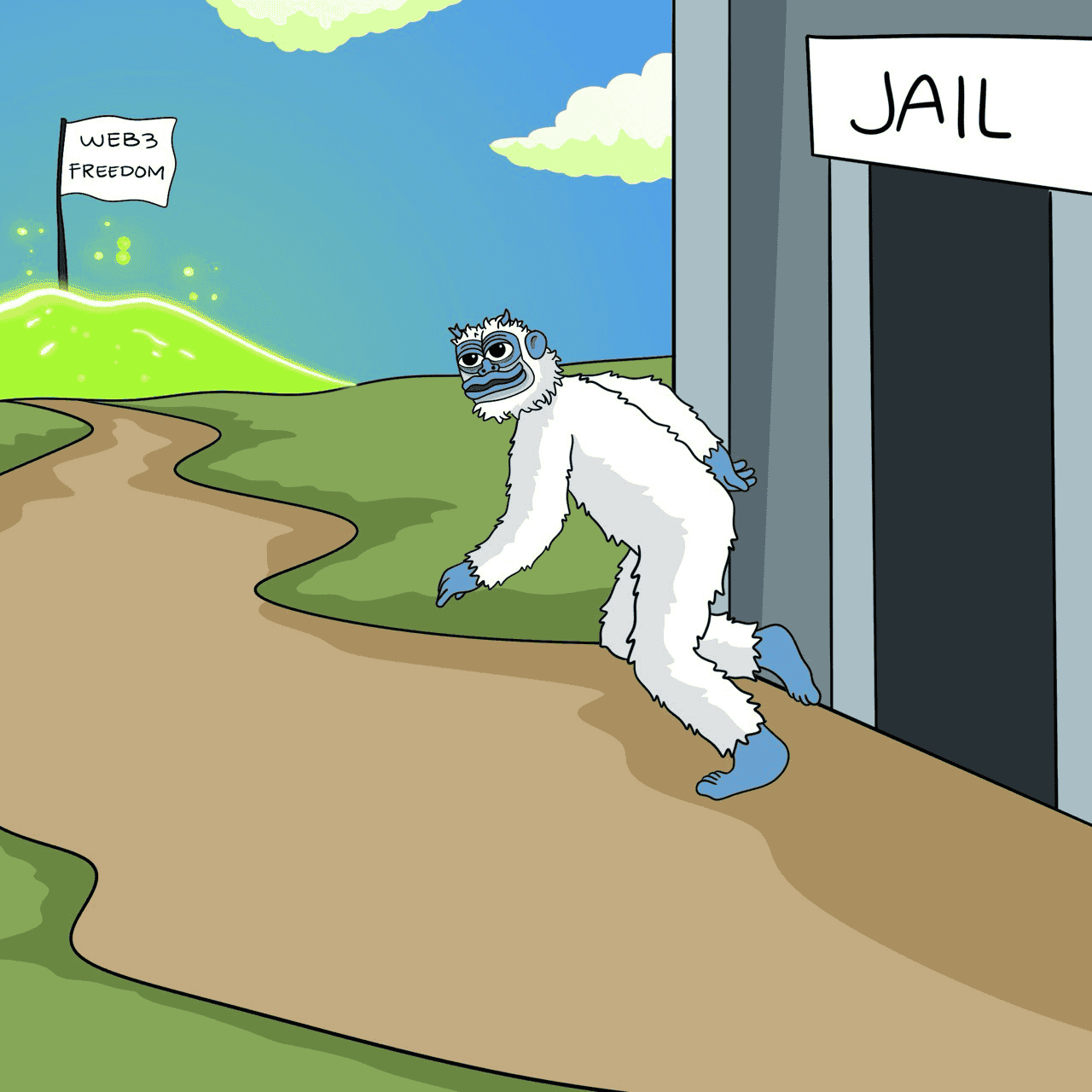
When MySpace lost over 12 years of uploaded music due to a migration error, artists lost original recordings and fan communities. In Web3, storing assets onchain or via IPFS helps prevent this kind of irreversible data loss.
Web3 proposes a reversal: you would store data in ways where you hold the keys, and services could request access or read from public ledgers. For instance, instead of logging into multiple websites each with separate profiles and friend lists, you could have a decentralized identity that you control, and you carry it with you across platforms. Projects in Web3 work on things like Decentralized Identifiers (DIDs) and personal data pods where you decide who gets to see what information. In a simpler current form, using a crypto wallet to log into apps is a taste of this—the app identifies you by your wallet address, not by an email stored in their database. Your onchain profile (e.g., an NFT avatar or an ENS domain name) can be read by any app that you permit. If one app bans you, you still have your data and can use it elsewhere, because it’s not locked on their server.
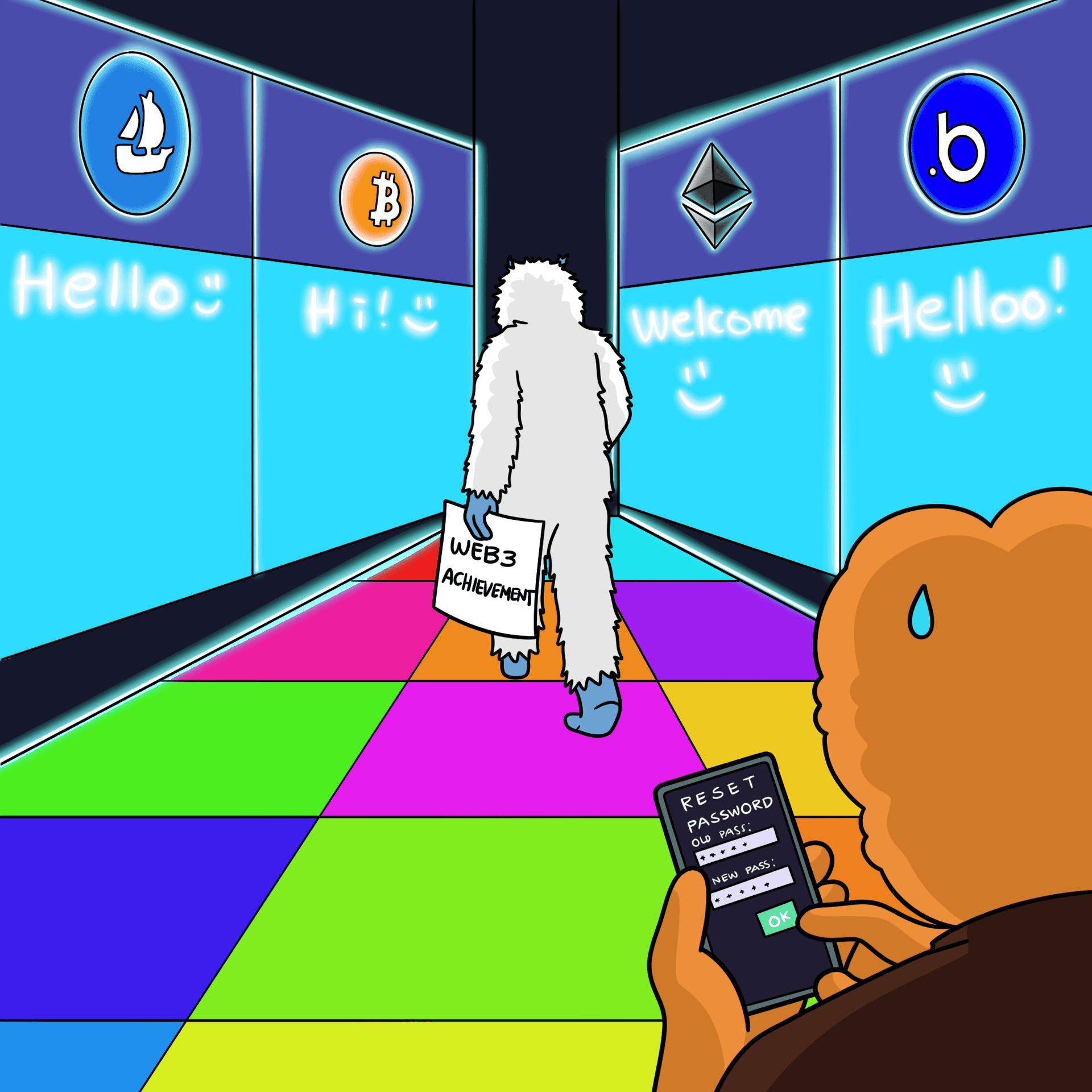
🔐 ANALOGY: Your Web2 data is like a safety deposit box you rent at someone else’s bank—they hold the key. In Web3, you carry the box and the key yourself.
Ownership of digital assets is a huge difference as well. In traditional games or apps, if you buy a digital item (like a skin in a video game or movies on a digital platform), usually you’re actually just renting access subject to the platform’s continued operation and rules. You can’t resell those items or necessarily use them outside the platform. Web3 flips that with tokens and NFTs: digital items can be truly owned by users and traded or used freely. It’s like the difference between having money in a bank that might freeze withdrawals vs. holding cash or gold in your hand—Web3 aims to give the “cash in hand” level of control but for digital stuff.
Example – Social Media: Today, if you have followers on a platform like Instagram and it shuts down or you want to move to another platform, you can’t directly take your follower list with you; you essentially start over. In a decentralized social network like those built on Farcaster or similar, your followers and content could be recorded on a blockchain or decentralized graph that any application can access (with permission). That means you could use App A or App B to view your timeline, and if App A does something you don’t like, you and your followers could switch to App B, and all your social graph remains intact (since it’s stored in the decentralized network, not siloed in App A’s database). This gives more power to users and makes services compete on features rather than on hoarding your data.
Privacy trade-off: It’s worth noting public blockchains make data transparent (often pseudonymous, but still visible). So, Web3’s data model is tricky—some things might be encrypted and only you hold the key, other things might be public by design for trust reasons. Solutions like zero-knowledge proofs are being developed to reconcile privacy with verifiability. Traditional companies often keep data private (but also might sell or leak it inadvertently). Web3 is exploring models where you can selectively share and prove things about your data without revealing everything (e.g., proving you are over 18 without showing your whole ID – something potentially doable with cryptography).
✍️ ACTIVITY: Digital Asset Audit
Make a list of 3 digital assets you “own” (e.g., game skins, videos, subscriptions).
Now ask:
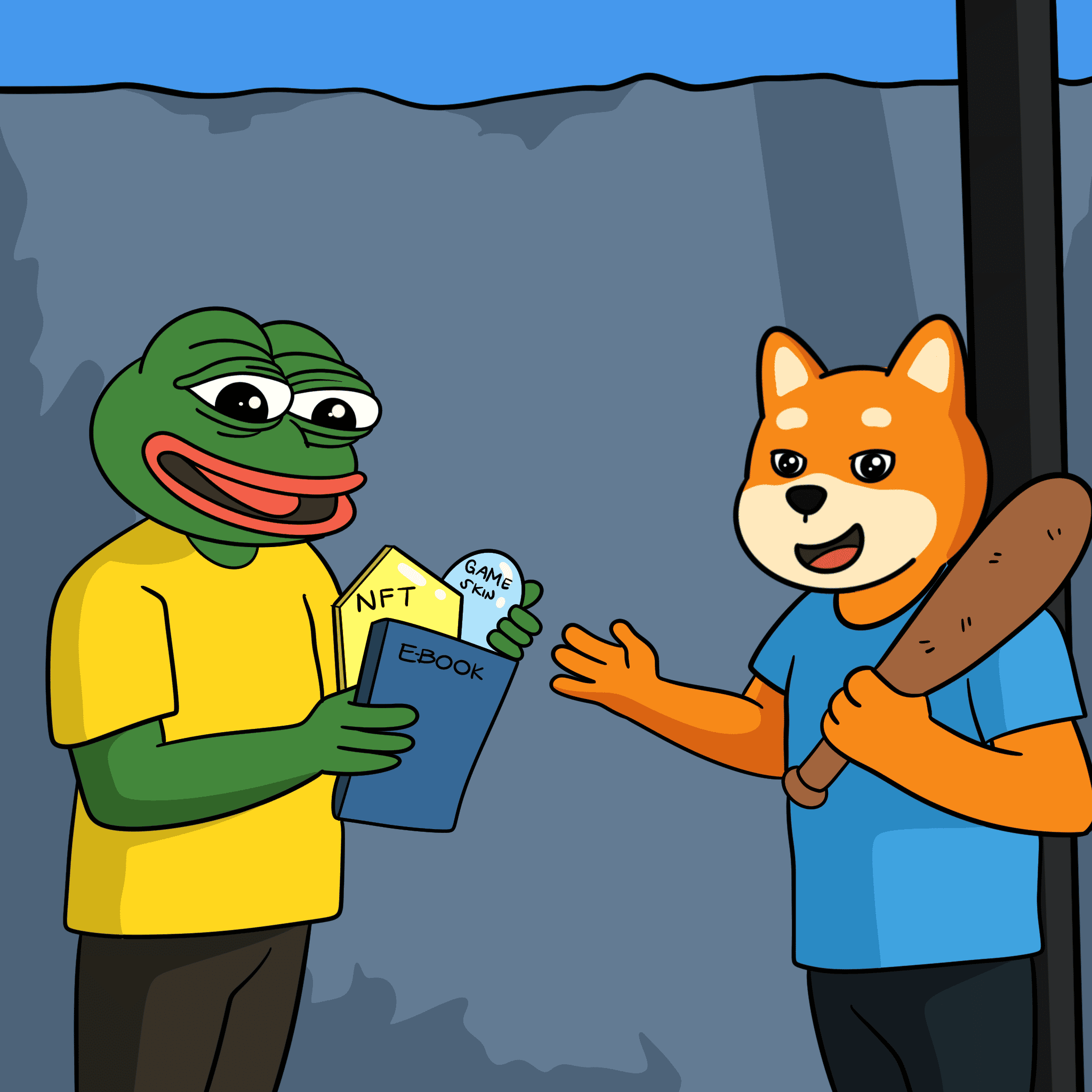
- Can you resell it?
- Is it usable across other platforms?
- What happens if the company deletes it?