

It’s important to acknowledge that Web3 is not a silver bullet or a total replacement for the traditional models in all cases. There are areas where centralization currently outperforms (speed, efficiency, clear accountability). For instance, a centralized database can handle far more transactions per second than a decentralized blockchain—that’s why many crypto games still use traditional servers for parts of gameplay and only use blockchain for ownership aspects. Also, Web3 has a learning curve (managing keys, understanding risks) that makes mainstream adoption challenging right now.
🔍 BALANCED VIEW:
Not all decentralization is better. A voting-based platform isn’t ideal for every decision (e.g., emergency shutdowns or complex risk management). Hybrid models—mixing centralized UX with decentralized logic—are often more effective.
Regulation also marks a big difference: traditional internet and finance operate under well-defined laws (even if those laws sometimes lag behind tech). Web3 operates in new territory, and regulators are catching up. In some cases, Web3 projects choose to add some centralization (like verifying users’ identity for legal compliance) which starts to resemble traditional structures. The future might see hybrid models—where parts of a system are decentralized for transparency and security, and parts have oversight to protect consumers or meet legal requirements.
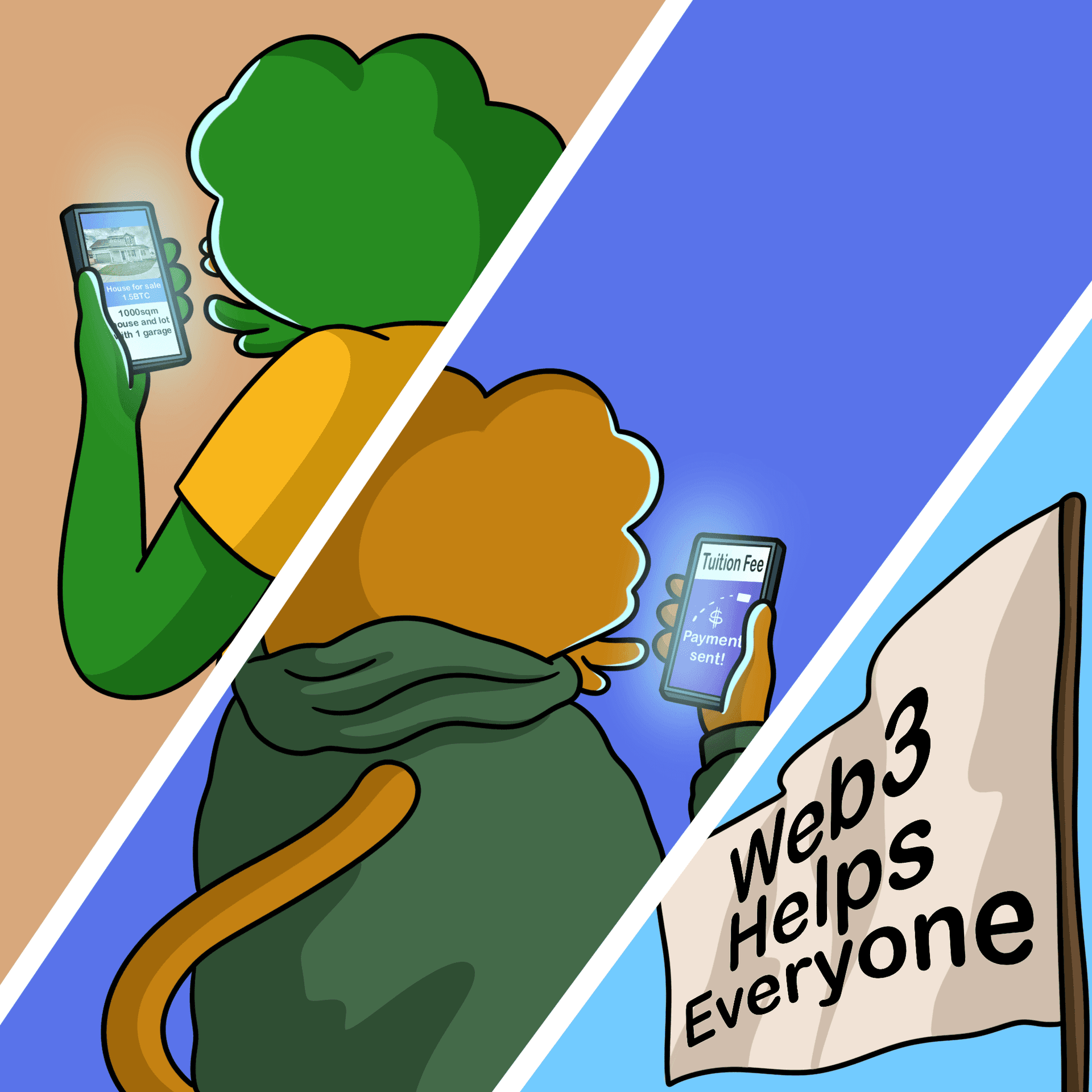
User responsibility is higher in Web3: if you get phished (tricked into giving your private key) or send money to the wrong address, there is no bank helpdesk to call. This is a trade-off of empowerment vs. convenience. Some people will prefer having a bank’s fraud protection; others prefer being free from banks altogether. Web3 tech is trying to bridge that by creating safer wallet designs, social recovery mechanisms (where you can recover a wallet using trusted friends, etc.), but it’s a work in progress.
🧠 TERMINOLOGY TIP:
- Social Recovery = A feature where trusted friends can help you recover your wallet if lost
- ZK Proofs = Cryptographic tools that let you prove something is true without revealing the actual info (e.g., “I’m over 18” without showing your birthdate)
Despite limitations, the big picture is that Web3 offers a different paradigm: one where users can be owners, communities can be self-governing, and services can interoperate openly. It’s akin to how open-source software provided an alternative to proprietary software—sometimes more chaotic, but fostering rapid innovation and user empowerment. Web3 applies those ideals at the level of networks and platforms.
Comparative Summary:
-
Internet Infrastructure: Traditional = centralized servers and DNS; Web3 = blockchain and peer-to-peer networks.
-
Data: Traditional = user data stored and monetized by companies; Web3 = user data stored with user’s keys (or on decentralized storage), user can control access.
-
Identity: Traditional = multiple logins, identity often tied to real-world credentials; Web3 = single wallet login, identity can be pseudonymous and portable, with selective disclosure.
-
Assets/Money: Traditional = fiat money controlled by banks, digital assets in games controlled by companies; Web3 = cryptocurrencies and NFTs controlled by users’ private keys, can trade freely on open markets.
-
Governance: Traditional = companies or centralized bodies decide changes; Web3 = token holders and communities vote, code enforces decisions.
-
Innovation: Traditional = closed systems, must use platform’s provided features; Web3 = open systems, anyone can build on top (for example, a third-party could build a better interface for a DeFi protocol since the smart contracts are open).
-
Trust model: Traditional = trust institutions (and legal contracts); Web3 = trust cryptography and incentives (and smart contracts).
As we continue, many of these comparisons will become clearer through examples: DeFi vs banks, DAOs vs corporations, decentralized social vs Facebook, etc. The goal isn’t that everything centralized is bad—centralization can be efficient—but that Web3 provides alternatives that put more agency in the hands of people, and these alternatives can exist alongside or integrated with the legacy systems to hopefully create a more open digital world.
🧭 LOOKING AHEAD:
In the next chapter, we’ll zoom in on a real-world case study: the Sui ecosystem—including the Walrus, Seal, and Move stack—and how it puts Web3 ideas into action using advanced performance and modularity.