
Polynomial Protocol
Polynomial Protocol is a decentralized perpetuals exchange powered by its own Ethereum rollup on the Superchain.


What is Polynomial Protocol?
Polynomial Protocol is a decentralized perpetuals exchange powered by its own Ethereum rollup, built on the Superchain. Optimized for traders and designed for composability, Polynomial starts every market with a pool-based AMM for thin liquidity and large trades, then upgrades execution to an orderbook as markets grow for tighter spreads and institutional-grade precision. Key features include oracle-based liquidation logic that protects users from price wicks, cross-margin across all positions, multi-collateral support for ETH, stablecoins, and other assets, and gas-free transactions. The protocol is structured to reward the users who drive it.
Web3 dapps and developer tools related to Polynomial Protocol
Discover blockchain applications that are frequently used with Polynomial Protocol.
 Paradex
 SYMMIO


 Derivio
 SIR
SIR

Developer resources from Alchemy
Agentic payments and x402, explained
Agentic payments let AI agents pay for APIs, data, and services on their own, with no human at checkout. Learn how x402 works and powers agentic commerce.

DeFi without limits: Ink Mainnet launches on the superchain
Today marks a big milestone for the world of DeFi and rollups: Ink mainnet is now available on the Superchain.
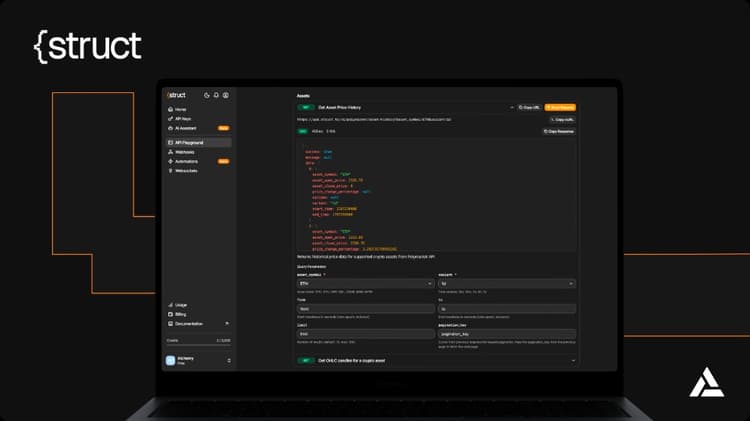
How Struct is building the data layer for onchain finance with Alchemy
Struct uses Alchemy node APIs and WebSockets to power the data layer for onchain finance, with one partner for its expanding multi-chain footprint.
Polynomial Protocol alternatives
Explore web3 competitors and apps like Polynomial Protocol.
 Derive
 Rysk Finance
 Thetanuts Finance

 Hegic
HegicApp store listings are independently reviewed and written by Alchemy using a combination of inbound submissions, editorial research, public project sources, and third-party directories, including ecosystem data from The Grid under the Open Database License, DefiLlama, DappRadar, Reown, and chain ecosystem pages.