xCall Service
xCall is a standardized interface designed to simplify cross-chain development.


What is xCall Service?
Our intention with xCall was to make it as easy as possible for developers to extend the reach of their apps across multiple ecosystems from the comfort of their preferred chains. Here are some key features that make xCall a powerful tool for building cross-chain applications: - Seamless Connectivity: xCall simplifies the process of calling contracts to destination chains from source chains by using a single standard across all protocols - Extensibility: xCall is a lightweight contract that can extend across any protocol and we will expand support for additional cross-chain message protocols as they emerge - Growing Utility: xCall integrates all the latest advancements in cross-chain messaging solutions, increasing the versatility and utility of xCall for developers - Composable Verification: xCall adds an extra layer of security through multiple protocol-verification
Web3 dapps and developer tools related to xCall Service
Discover blockchain applications that are frequently used with xCall Service.
 VIA Labs
 Hyperlane

 Yellow
 Butter Network
Developer resources from Alchemy
Alchemy vs. QuickNode: Node provider comparison in 2026
Compare Alchemy and QuickNode on live RPC latency, chain coverage, pricing, support, and dedicated infrastructure using a dated 24-hour EVM snapshot from September 3, 2026.
How to migrate from self-hosted nodes to dedicated infrastructure
Migrating from self-hosted nodes to dedicated infrastructure is an endpoint swap, not a rebuild. Why teams make the move, what they gain, and how it works.
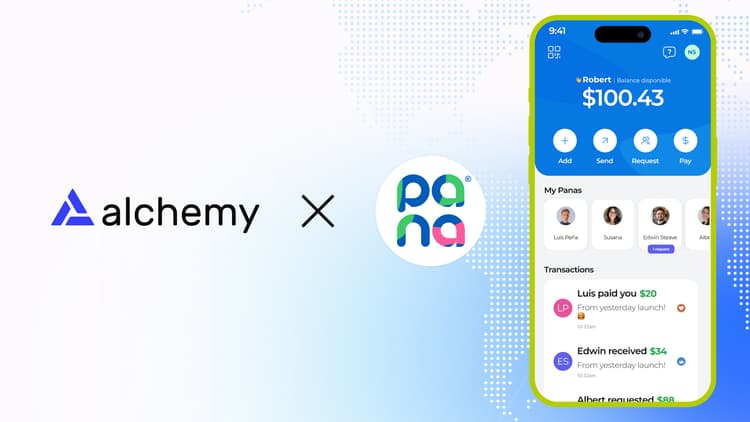
Pana powers stablecoin remittances for 200,000+ users with Alchemy
How Pana made $130B in remittances move like Venmo: 200K users, zero gas fees, no blockchain complexity. See the infrastructure behind it.
xCall Service alternatives
Explore web3 competitors and apps like xCall Service.
 Axelar
 DEVp2p Wire Protocol
 Push Chain
 Notifi Network
App store listings are independently reviewed and written by Alchemy using a combination of inbound submissions, editorial research, public project sources, and third-party directories, including ecosystem data from The Grid under the Open Database License, DefiLlama, DappRadar, Reown, and chain ecosystem pages.