
Kulipa
Kulipa is a stablecoin-backed payment infrastructure platform that lets fintechs issue cards, open virtual accounts, and move funds globally.











What is Kulipa?
Kulipa is a stablecoin-backed payment infrastructure platform that enables modern fintechs to go global with card issuance, virtual accounts, and real-time fund movement across 100+ countries. Through a unified, compliant stack, Kulipa handles settlement, stablecoin account management, and white-labelled payment products. Kulipa's services include global card issuance (physical and virtual cards settling in stablecoin), embedded wallet infrastructure with familiar bank-account UX, and white-labelled virtual accounts that automate fiat-to-stablecoin conversion. A full-stack compliance layer handles KYC, KYB, and AML, allowing fintechs to launch financial products without the legal overhead.
Web3 dapps and developer tools related to Kulipa
Discover blockchain applications that are frequently used with Kulipa.
 TransFi
 REAP
REAP


 Alchemy Pay
 Bridge
Developer resources from Alchemy
The stablecoin orchestration problem: Why payment companies are stuck between vendors
The stablecoin orchestration market didn't consolidate as expected. Here's why payment companies face harder vendor decisions than ever, and how to decouple infrastructure from orchestration.
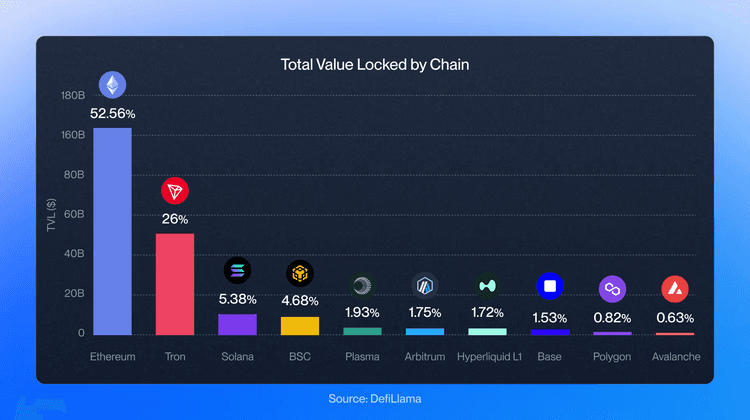
How to build a stablecoin in 2026
A technical guide covering everything you need to know to build your own stablecoin.

How to scale to 30,000 requests per second. The story behind Usual's seamless airdrop
Usual aims to put ownership back in the hands of its users, by ensuring that value flows back to the community rather than concentrating at the top, paving the way for a fair and community-driven future for stablecoins and token-based finance.
Kulipa alternatives
Explore web3 competitors and apps like Kulipa.
 Lightning Network
 Superfluid
 Mural
Mural Wert
WertApp store listings are independently reviewed and written by Alchemy using a combination of inbound submissions, editorial research, public project sources, and third-party directories, including ecosystem data from The Grid under the Open Database License, DefiLlama, DappRadar, Reown, and chain ecosystem pages.