
Whalidate
Whalidate is a Polymarket copy-trading app that scores whale wallets on how their profit was made and copies only the trades that pass a user's rules.


What is Whalidate?
Whalidate is a copy-trading service for Polymarket. Its WhaleFinder tool reads public Polymarket data and scores wallets on measures such as return, drawdown, number of settled trades, and how much of the profit came from a single trade, listing the reason a wallet is rejected. Users pick wallets or clone preset whale sets, then set rules for entry price, market categories, copy size, stops, and caps, and only new trades that pass those rules are copied. Every strategy can run on paper with virtual money for free, while live trading requires a paid plan starting at $49 a month with no per-trade fee from Whalidate. For live trading, Whalidate creates a Polygon trading wallet for each user and holds its private keys to sign trades and withdrawals. The service is not available in sanctioned or restricted regions listed on its site.
Web3 dapps and developer tools related to Whalidate
Discover blockchain applications that are frequently used with Whalidate.
 EventTrader


 Norynta

 fomo

 HeroSwap


Developer resources from Alchemy
Best infrastructure for agentic payments: a 2026 comparison
Compare the best infrastructure for agentic payments: how Alchemy, Coinbase CDP, Circle, Crossmint, Privy, and Turnkey handle agent wallets, x402, and gas.

How to build an AI trading bot: a complete developer's guide (2026)
A step-by-step technical guide to building a sentiment-enhanced crypto trading bot with on-chain data, machine learning, and risk management using Alchemy's blockchain APIs.
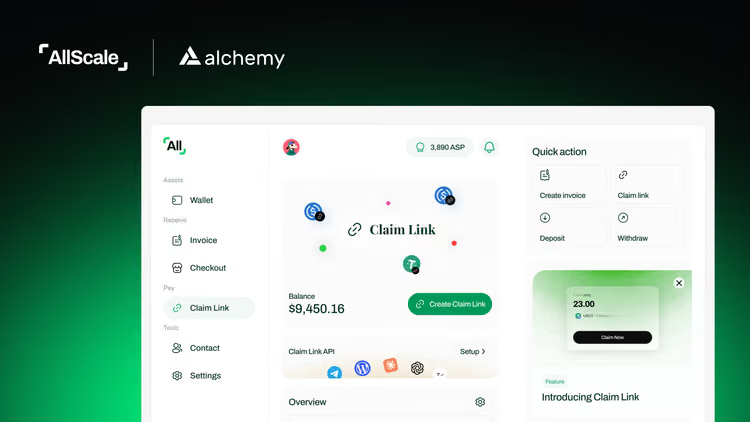
How AllScale powers fast, reliable stablecoin payments at scale
AllScale standardized blockchain reads and transaction requests on Alchemy Node API to power stablecoin checkout, invoicing, payroll, and payouts.
Whalidate alternatives
Explore web3 competitors and apps like Whalidate.
 Gains Network

 DeltaTrade
 PumpPill
 Poly Research & Robotics
App store listings are independently reviewed and written by Alchemy using a combination of inbound submissions, editorial research, public project sources, and third-party directories, including ecosystem data from The Grid under the Open Database License, DefiLlama, DappRadar, Reown, and chain ecosystem pages.