Liqwall
Liqwall is a crypto trading terminal with liquidation maps, order book heatmaps, and Hyperliquid whale data.

What is Liqwall?
Liqwall is a trading terminal that shows where liquidations, stop orders, and order book walls sit around the price. Free pages show Hyperliquid liquidation maps, liquidation levels split by exchange, liquidation and order book heatmaps, funding, open interest, long and short ratios, and a Fear and Greed Index. The terminal overlays this data on the chart alongside whale positions, alerts, paper trading, and market data from 14 exchanges. Users can trade on Hyperliquid by connecting a wallet, with orders going straight to the exchange and funds staying in the user's account, and on BingX, OKX, and Gate accounts opened through Liqwall's referral links, using an API key that cannot withdraw funds. A free plan shows some indicators with a delay, while paid plans, also unlocked by trading through Liqwall's referral links, show them live. The site is available in English and Russian.
Web3 dapps and developer tools related to Liqwall
Discover blockchain applications that are frequently used with Liqwall.
 VaultVision
 Do Not Die
 DexCheck

 Defined.fi



Developer resources from Alchemy
How to trade on Elysium, the Hyperliquid L2
Elysium is Kinetiq's Hyperliquid L2 with 100 ms blocks and HYPE gas. See how it compares to HyperEVM, which apps launch on it, and how to start trading.

How to build an AI trading bot: a complete developer's guide (2026)
A step-by-step technical guide to building a sentiment-enhanced crypto trading bot with on-chain data, machine learning, and risk management using Alchemy's blockchain APIs.
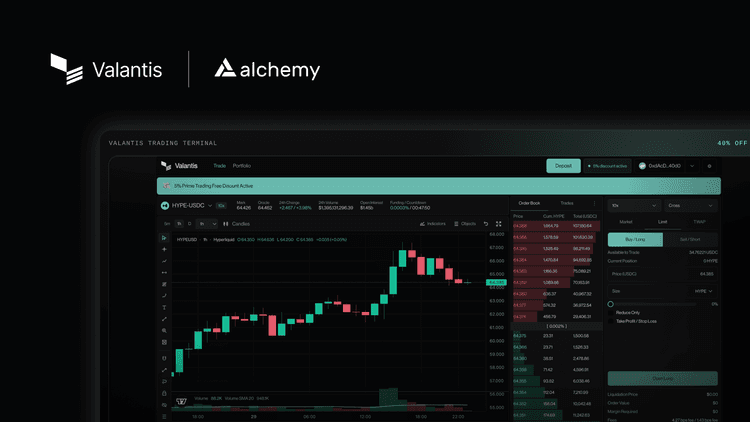
How Valantis built a reliable trading experience on Hyperliquid
After moving HyperEVM RPC calls from a self-hosted node to Alchemy’s HyperEVM Node, Valantis reports 100% successful RPC requests and a more dependable foundation for trading.
Liqwall alternatives
Explore web3 competitors and apps like Liqwall.
 Gains Network

 DeltaTrade
 Mangrove

 AlphaYou
App store listings are independently reviewed and written by Alchemy using a combination of inbound submissions, editorial research, public project sources, and third-party directories, including ecosystem data from The Grid under the Open Database License, DefiLlama, DappRadar, Reown, and chain ecosystem pages.