Papaya Protocol
Papaya Protocol is a non-custodial protocol for recurring stablecoin payments that supports per-second streaming and fixed periodic subscriptions.






What is Papaya Protocol?
Papaya Protocol lets products bill customers in stablecoins without sending a new transaction each billing period. Users fund a balance in USDC, USDT, or PYUSD, or a product funds it for them, then open a subscription once on-chain that either streams value per second or charges a fixed amount each period until it is changed or cancelled. Balances accrue from rates and time, merchants can withdraw accrued funds at any time, and the contract owner cannot move user balances. Products can set default and per-user project fees and sponsor supported protocol actions so users do not need to hold native gas. Papaya Protocol runs on Ethereum, Base, Polygon, Arbitrum, BNB Chain, Avalanche, Scroll, zkSync, Sei, and Arc, with an SDK and audit reports published on GitHub, and integration access is currently provided to partners.
Web3 dapps and developer tools related to Papaya Protocol
Discover blockchain applications that are frequently used with Papaya Protocol.
 Reveel
 Gnosis Business
 Coinflow

 Agent Pay

Developer resources from Alchemy
What is the stablecoin sandwich?
Learn how the stablecoin sandwich payment model works and what it means for cross-border payments.
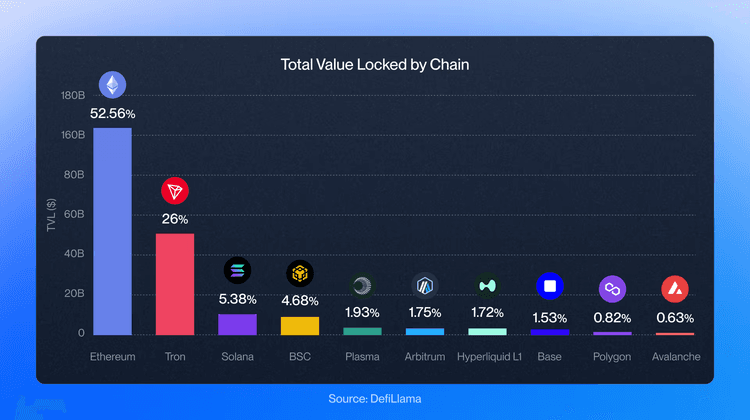
How to build a stablecoin in 2026
A technical guide covering everything you need to know to build your own stablecoin.

How to scale to 30,000 requests per second. The story behind Usual's seamless airdrop
Usual aims to put ownership back in the hands of its users, by ensuring that value flows back to the community rather than concentrating at the top, paving the way for a fair and community-driven future for stablecoins and token-based finance.
Papaya Protocol alternatives
Explore web3 competitors and apps like Papaya Protocol.
 BitPay

 StableCart
 Fianto

 Robinhood
App store listings are independently reviewed and written by Alchemy using a combination of inbound submissions, editorial research, public project sources, and third-party directories, including ecosystem data from The Grid under the Open Database License, DefiLlama, DappRadar, Reown, and chain ecosystem pages.