Prism402
Prism402 is an AI inference router that serves open models through one OpenAI-compatible API, paid per call with x402 in USDG on Robinhood Chain or USDC on Base.



What is Prism402?
Prism402 puts 27 AI models from providers such as Moonshot AI, Z.ai, DeepSeek, Qwen, Meta, Mistral, and OpenAI's open-weight releases behind a single OpenAI-compatible endpoint. AI agents can pay each request through x402 in USDG on Robinhood Chain or USDC on Base without an account, or deposit USDG once for a prepaid key that works in standard OpenAI SDKs. Calls are billed by the tokens used, and identical deterministic requests are served from a response cache at half price. Prism402 also runs Trench Scan, a token contract and liquidity check for Robinhood Chain tokens that is free on the web and available to agents per call. Holders of the project's PRISM token receive per-call discounts, though inference is always paid in stablecoins.
Web3 dapps and developer tools related to Prism402
Discover blockchain applications that are frequently used with Prism402.
 LimeWire


 Civic


 DeNet Storage
 OORT


Developer resources from Alchemy
Launch a memecoin on Robinhood Chain
Write and deploy a fixed-supply ERC20 on Robinhood Chain mainnet with Foundry and Alchemy RPC, or hand the whole launch to a coding agent with the Alchemy CLI.
Robinhood Chain mainnet is live on Alchemy
Alchemy has launched native support for Robinhood Chain, a permissionless EVM-compatible Layer-2 built to bring traditional markets, crypto, and real-world assets onto one network.
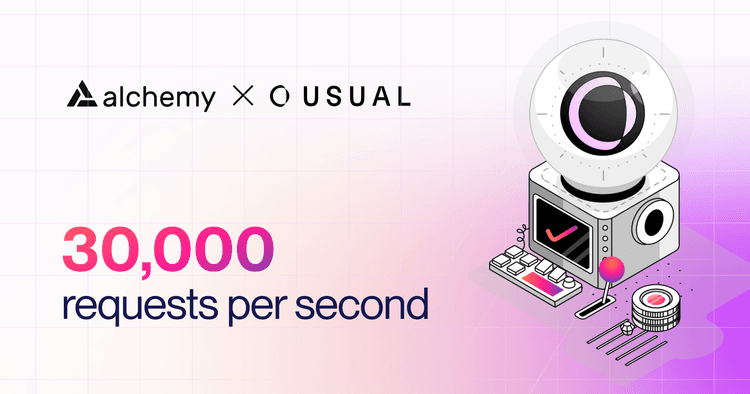
How to scale to 30,000 requests per second. The story behind Usual's seamless airdrop
Usual aims to put ownership back in the hands of its users, by ensuring that value flows back to the community rather than concentrating at the top, paving the way for a fair and community-driven future for stablecoins and token-based finance.
Prism402 alternatives
Explore web3 competitors and apps like Prism402.
 Mind Network
 Aethir

 Azimuth
 AYDO
App store listings are independently reviewed and written by Alchemy using a combination of inbound submissions, editorial research, public project sources, and third-party directories, including ecosystem data from The Grid under the Open Database License, DefiLlama, DappRadar, Reown, and chain ecosystem pages.