
walt.id
walt.id is a leading open-source decentralized identity and wallet infrastructure used by 41,000+ developers and organizations globally.

What is walt.id?
walt.id provides open-source decentralized identity and wallet infrastructure for building end-to-end use cases and applications fast and with ease. The platform covers the full identity lifecycle: issuing digital credentials, launching or embedding ID wallets for users to manage credentials, and verifying credentials from any wallet. Built strictly on open standards—including W3C VC, SD-JWT VC, ISO/IEC 18013-5, and OpenID4VC protocols—walt.id ensures credentials work across borders, wallets, and ecosystems. The stack is aligned with emerging global regulatory frameworks including eIDAS2. The Community Stack is a holistic open-source solution, while the Enterprise Stack provides a powerful solution for building reliable and scalable systems for large organizations or SaaS platforms.
Web3 dapps and developer tools related to walt.id
Discover blockchain applications that are frequently used with walt.id.
 Dynamic

 Utila
Utila

 Dfns
Dfns

 Wigwam App

Developer resources from Alchemy
What is a web3 wallet? Your complete guide in 2025
Learn about the 15 best web3 wallets including MetaMask, Phantom, Rainbow, ZenGo, Ledger, and more!
AI agents can now use Alchemy autonomously, no humans required
AI agents can now access Alchemy’s blockchain APIs autonomously: sign up with an onchain wallet, pre-pay with USDC on Base, no human in the loop.
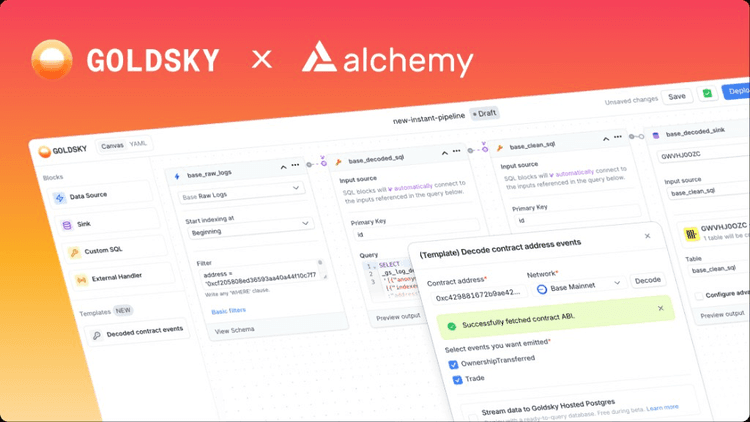
How Goldsky kept transactions flowing with zero downtime
Goldsky migrated its Compose bundler and paymaster to Alchemy and built a provider abstraction layer that makes failover a single environment variable change—no code deploy, no downtime.
walt.id alternatives
Explore web3 competitors and apps like walt.id.
 Stripe Identity
 Verite
 Trusta Labs
 Human Tech
App store listings are independently reviewed and written by Alchemy using a combination of inbound submissions, editorial research, public project sources, and third-party directories, including ecosystem data from The Grid under the Open Database License, DefiLlama, DappRadar, Reown, and chain ecosystem pages.