
Hotstuff
Hotstuff is a DeFi L1 for trading crypto and RWA perps, investing in tokenized equities and ETFs, and accessing built-in fiat rails.


What is Hotstuff?
Hotstuff is a DeFi L1 that combines perpetual trading, tokenized equities, and neobanking into a single platform. With 200k+ TPS, 75ms block time, and 150ms finality, Hotstuff offers high-performance infrastructure for trading and investing. Traders can access 22+ perpetual markets across crypto, ETFs, RWAs, and equities with up to 50x leverage and 24/7 market access from a unified margin account. Hotstuff also offers tokenized U.S. stocks and ETFs — including Netflix, Google, Amazon, Tesla, NVIDIA, Meta, S&P 500 ETF, and Nasdaq-100 ETF — available to trade around the clock from anywhere. Built-in fiat rails support USD (ACH + Fedwire), EUR (SEPA), MXN (SPEI), BRL (PIX), GBP (FPS), and more across 190+ countries. Developers can integrate trading, market data, and account actions via a TypeScript SDK with real-time WebSocket streams and sandbox environments.
Web3 dapps and developer tools related to Hotstuff
Discover blockchain applications that are frequently used with Hotstuff.
 Rysk Finance
 GammaSwap
 Fufuture
 Premia
Developer resources from Alchemy

What are DeFi AI agents? Use cases, risks, and architecture
DeFi AI agents, also called DeFAI agents, are autonomous systems that can reason, sign, and settle onchain under policy controls.

How to build an AI trading bot: a complete developer's guide (2026)
A step-by-step technical guide to building a sentiment-enhanced crypto trading bot with on-chain data, machine learning, and risk management using Alchemy's blockchain APIs.
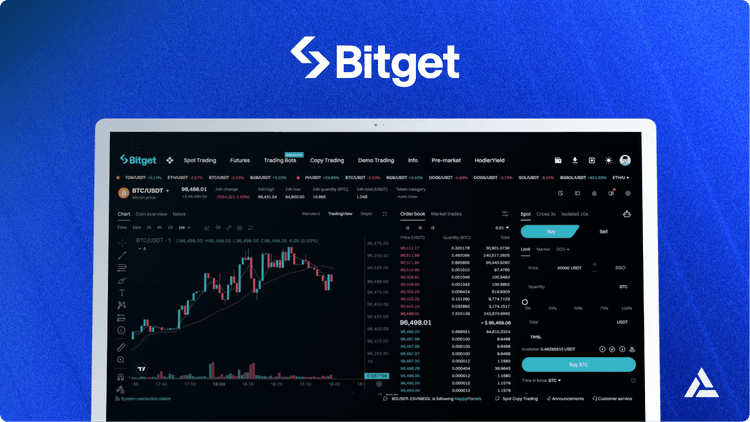
How Bitget serves 125 million users on its exchange with Alchemy
Bitget added Alchemy's RPC APIs to independently confirm deposits and withdrawals, remove single points of failure, and access archive and trace data across 9 networks.
Hotstuff alternatives
Explore web3 competitors and apps like Hotstuff.
 Lighter
 GMX
GMX
 Overlay Protocol
 Zetarium World
App store listings are independently reviewed and written by Alchemy using a combination of inbound submissions, editorial research, public project sources, and third-party directories, including ecosystem data from The Grid under the Open Database License, DefiLlama, DappRadar, Reown, and chain ecosystem pages.